
Views: 222 Author: Sara Publish Time: 2025-04-30 Origin: Site
Content Menu
● Introduction to Bakery Equipment in South Australia
● Leading Suppliers of Bakery Equipment in South Australia
>> 1. Bake Equipment – Specialist in Used Bakery Equipment
>> 2. Direct Bakery – Commercial and Industrial Bakery Machines
>> 3. HG Industry Group – Full Automatic Biscuit Production Lines
>> 4. Apex Meco – Complete Automated Biscuit and Cookie Production Lines
>> 5. Van Rooy Machinery – Premium Bakery Equipment Supplier
>> 6. Australian Bakery Equipment Supplies (ABES)
>> 7. All About Bakery Equipment – Bakery Design and Fitout Specialists
● Key Features to Look for in Biscuit Production Line Machinery
● Why Choose South Australian Suppliers for Bakery Equipment?
● Incorporating Bakery Equipment into Your Production Line
● Maintenance and Training: Essential for Maximizing Bakery Equipment Performance
● FAQ
>> 1. What types of bakery equipment are commonly available in South Australia?
>> 2. Can I buy used bakery equipment in South Australia?
>> 3. Are there suppliers that provide full biscuit production lines?
>> 4. How important is energy efficiency in bakery equipment?
>> 5. Do South Australian bakery equipment suppliers offer after-sales support?
South Australia is home to a vibrant bakery industry, with many commercial bakeries, patisseries, and artisan producers seeking reliable, high-quality bakery equipment to meet their production needs. For businesses specializing in biscuits, cookies, and other baked goods, sourcing the right bakery machinery is crucial for efficiency, product quality, and scalability. This article explores the best places to buy bakery equipment in South Australia, focusing on biscuit production lines and related machinery, and highlights key considerations for choosing the right equipment supplier.
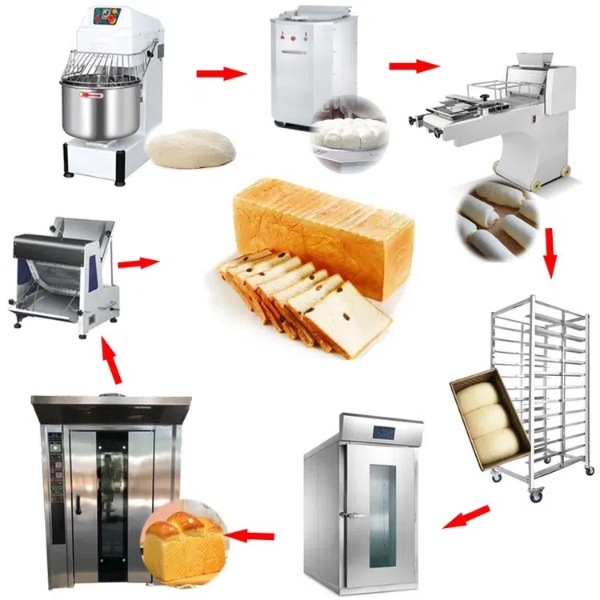
Bakery equipment encompasses a wide range of machines and tools used in the production of bread, biscuits, cookies, cakes, and other baked goods. In South Australia, the demand for bakery machinery includes everything from dough mixers, dividers, ovens, and biscuit production lines to packaging machines. Whether you are a small artisan bakery or a large-scale manufacturer, finding a supplier that offers quality, service, and technical support is essential.
The bakery industry in South Australia has grown steadily, fueled by consumer demand for fresh, high-quality baked products. This growth has increased the need for modern bakery equipment that can improve production speed, consistency, and hygiene standards. Therefore, bakery owners and managers are increasingly looking for suppliers who can offer not only machines but also tailored solutions that fit their unique production requirements.
- Located in Wingfield, South Australia, Bake Equipment specializes in buying and selling used bakery machinery. Their inventory includes tins, trays, racks, mixers, moulders, and ovens. They also offer loan machines for breakdowns, providing a practical solution for bakeries needing temporary equipment. Their focus on used equipment makes them a cost-effective option for bakeries looking to upgrade or expand without the high cost of new machines.
- Bake Equipment's extensive experience in the market means they understand the challenges bakeries face. They carefully inspect and refurbish used equipment to ensure it meets safety and performance standards. This approach allows bakeries to access reliable machinery at a fraction of the price of new equipment, which is especially beneficial for startups or businesses testing new product lines.
- Direct Bakery supplies top-quality commercial bakery equipment, including Mondial Forni ovens, mixers, dough preparation machines, and fully automatic donut fryers. They cater to a wide range of bakery needs, from artisan bread makers to wholesale bakeries. Their products are known for reliability and innovation, suitable for bakeries aiming to enhance production efficiency.
- One of the key strengths of Direct Bakery is their ability to provide customized solutions. They work closely with clients to understand their production goals and recommend machinery that fits their workflow. Their service extends beyond sales, offering installation, training, and maintenance to ensure smooth operation.
- For biscuit and cookie manufacturers, HG Industry Group offers advanced full-automatic soft and hard biscuit production lines. Their machines can produce a variety of biscuits, including soda biscuits, sandwich biscuits, and bear biscuits, with capacities ranging from 100 kg/h to 1200 kg/h. The production lines feature PLC control systems for easy operation, energy-efficient designs, and precise dough depositing technology.
- The HG Industry Group's biscuit production lines are designed to meet the demands of modern bakeries that require high output without compromising product quality. Their machines incorporate stainless steel construction to ensure hygiene and durability, and their modular design allows easy expansion as production needs grow.
- Apex Meco provides turnkey solutions for automated biscuit, cookie, and cracker production lines, including sandwiching machines and packaging equipment. Their machines are designed for high-speed production and integration with automation systems, ensuring consistent quality and efficiency.
- Apex Meco's biscuit sandwiching machines are particularly popular among bakeries producing cream-filled or layered biscuits. Their equipment supports various biscuit sizes and shapes, with easy changeover between product types. This flexibility helps bakeries diversify their product range without investing in multiple machines.
- Van Rooy Machinery offers a wide range of bakery equipment, from mixers and depositors to ovens and cooling systems. They serve bakeries of all sizes and provide comprehensive support, including a 2-year warranty and 24/7 service. Their equipment is suitable for both traditional and automated bakeries.
- Van Rooy Machinery emphasizes quality and reliability, sourcing equipment from trusted international manufacturers. Their commitment to after-sales service ensures that bakeries receive timely support, minimizing downtime and maintaining production continuity.
- ABES has been a trusted name in bakery equipment since 1987, specializing in energy-efficient machines for modern bakeries. They offer a wide selection of refurbished and new equipment, with expert advice and personalized service. Their longstanding experience makes them a reliable partner for bakery businesses.
- ABES also supports bakeries with training programs and technical consultations, helping operators maximize the performance of their bakery equipment. Their focus on energy efficiency aligns with growing industry trends toward sustainability.
- All About Bakery Equipment provides not only machinery but also bakery design and fitout services. Their product range includes dough dividers, bread slicers, deck ovens, and mixers. They emphasize quality and customer service, supporting bakeries with expert advice and after-sales support.
- Their comprehensive approach means bakeries can rely on a single supplier for both equipment and facility design, streamlining the setup process and ensuring optimal workflow.

When selecting bakery equipment, especially for biscuit and cookie production, consider the following features:
- Automation and Control: PLC systems for easy operation and precise control over production parameters. Automation reduces human error and increases consistency.
- Versatility: Ability to produce various biscuit types (soft, hard, sandwich) with interchangeable molds. This flexibility allows bakeries to respond quickly to market trends.
- Energy Efficiency: Machines designed to minimize energy consumption, lowering operational costs and environmental footprint.
- Material Quality: Use of stainless steel and food-grade materials for hygiene and durability, ensuring compliance with food safety standards.
- Production Capacity: Machines available in different capacity models to match business scale, from small artisan batches to large industrial volumes.
- After-Sales Support: Availability of technical support, spare parts, and maintenance services to reduce downtime and extend machine life.
Choosing local suppliers in South Australia offers several advantages:
- Proximity: Faster delivery and easier access to service and support reduce downtime during installation or repairs.
- Industry Knowledge: Suppliers understand local market needs, food safety regulations, and industry standards.
- Customization: Easier collaboration for customized solutions tailored to your bakery's unique requirements.
- Trade Shows and Demonstrations: Opportunities to see equipment in action at local trade events and exhibitions.
- Cost Savings: Reduced shipping costs and import duties compared to overseas purchases, making local suppliers more cost-effective.
Local suppliers also tend to build long-term relationships with their clients, offering ongoing support and advice that can help bakeries grow sustainably.
A modern biscuit production line typically includes:
1. Dough Mixing and Preparation: Automated mixers ensure consistent dough quality by controlling mixing time, speed, and temperature.
2. Dough Depositing and Forming: Machines shape the dough into desired biscuit forms using rotary molds, wire-cutters, or rotary cutters.
3. Baking Ovens: Advanced ovens with distributed baking zones and temperature controls ensure even cooking and consistent product texture.
4. Cooling Systems: Conveyors or cooling tunnels stabilize biscuits post-baking, preventing breakage and preserving quality.
5. Packaging Machines: Automated packaging maintains freshness, extends shelf life, and enhances product presentation.
Integrating these machines into a seamless production line improves throughput, reduces labor costs, and maintains consistent product quality.
Purchasing bakery equipment is only the first step. Proper maintenance and operator training are essential to maximize machine performance and longevity. South Australian suppliers typically offer maintenance contracts and training programs to ensure your staff can operate equipment safely and efficiently.
Regular maintenance prevents unexpected breakdowns, reduces repair costs, and ensures compliance with hygiene standards. Training programs help operators understand machine functions, troubleshoot minor issues, and optimize production parameters.
For bakeries in South Australia seeking bakery equipment for sale, especially biscuit and cookie production machinery, several reputable suppliers offer a range of new and used equipment tailored to different production scales and needs. Companies like Bake Equipment provide cost-effective used machines, while HG Industry Group and Apex Meco offer advanced automated biscuit production lines with modern features such as PLC control and energy efficiency. Local suppliers like Van Rooy Machinery and Australian Bakery Equipment Supplies provide excellent service and support, ensuring your investment is protected and your production runs smoothly.
Choosing the right bakery equipment supplier in South Australia involves considering factors such as machine versatility, capacity, energy efficiency, and after-sales service. With the right machinery and support, bakeries can enhance product quality, increase output, and meet growing market demands effectively.

South Australian suppliers offer a wide range of bakery equipment including dough mixers, dividers, moulders, ovens, cooling conveyors, packaging machines, and specialized biscuit production lines.
Yes, companies like Bake Equipment specialize in buying and selling used bakery machinery, providing affordable options for bakeries looking to upgrade or expand.
Yes, HG Industry Group and Apex Meco are known for their full automatic biscuit production lines, capable of producing various biscuit types with high efficiency.
Energy efficiency reduces operational costs and environmental impact. Many modern bakery machines in South Australia incorporate energy-saving features to help bakeries save money and meet sustainability goals.
Most reputable suppliers, including Van Rooy Machinery and Australian Bakery Equipment Supplies, provide technical support, maintenance services, and warranties to ensure smooth operation of your bakery equipment.


