
Views: 268 Author: Wenva Machine Publish Time: 2026-07-09 Origin: Site
Content Menu
● Understanding Biscuit Flour From a Baker's And Engineer's View
● All‑Purpose Flour: Flexible Workhorse For Many Biscuit Types
● Cake Flour: For Delicate, High‑End Biscuits And Shortcakes
● Self‑Rising Flour: Speed And Convenience For Simple Formulations
● Whole Wheat Flour: Nutritious, Rustic Biscuits For Health‑Focused Markets
● Gluten‑Free Flour Blends: Accessing New Markets With Specialized Lines
● Matching Flour Types To Biscuit Styles On Automated Lines
● Expert Insights: Flour Selection Across Different Production Scales
● Practical Steps To Choose The Best Flour For Your Biscuit Product
● How Flour Choice Interacts With Automated Biscuit Production Lines
● Why Partnering With Wenva Machine Helps Bakeries Scale With Confidence
● Call To Action: Align Your Flour Choice With The Right Biscuit Production Line
● FAQs
The best flours for different types of biscuits depend on your desired texture, flavor, and production method—and in industrial bakeries, the right flour must also match your automated biscuit production line to ensure consistent quality at scale. [wenvamachine]
As someone who has spent years working with large baking factories and fully automated biscuit production lines, I've seen how small changes in flour selection can create big differences in biscuit quality, waste rate, and overall profitability. At Wenva Machine, we work closely with biscuit manufacturers to balance formulation and equipment design, so that dough behavior, baking performance, and final texture all align with the factory's capacity and layout. [wenvamachine]
When you're no longer baking a few trays in a craft bakery but running tens of thousands of biscuits per hour, the "best flour" isn't only about taste—it's about process stability, dough sheetability, oven performance, and how reliably your line can run day after day. With that in mind, let's look at different flour types not just from a home-baker perspective, but through the lens of industrial biscuit production. [wenvamachine]

All‑purpose flour typically has a protein content of around 11–12%, giving a balanced combination of strength and tenderness. This makes it a good base for many biscuit recipes, from traditional buttermilk biscuits to drop biscuits and flavored variations with cheese or herbs.
In industrial production, all‑purpose flour is often used for:
- Standard sweet biscuits and cookies.
- Everyday snack crackers with moderate bite.
- General‑purpose lines producing multiple biscuit styles.
To keep biscuits light rather than tough, dough handling is critical. Over‑mixing can develop excess gluten, leading to hard or misshapen biscuits, especially on high‑speed forming machines. Using cold fat and chilled liquids helps maintain lamination and flakiness, which is especially important when dough passes through multiple rollers or forming heads before entering the tunnel oven. [wenvamachine]
Cake flour has a lower protein content, typically around 6–8%, which produces an extremely tender crumb and a very fine texture. This is ideal for premium shortcakes, soft tea biscuits, and delicate scones where an ultra‑tender bite is part of the product's identity.
In an automated biscuit production environment, cake flour is best suited for:
- Premium soft biscuits with high fat and sugar.
- Dessert biscuits served with cream, fruits, or fillings.
- Short doughs where spread and softness are desired.
Because the dough is weaker, it is more prone to tearing and deformation during forming. To maintain shape on the line:
- Minimize mechanical stress in dough feeding and sheeting.
- Use gentle forming methods (e.g., rotary moulders) optimized for soft dough.
- Chill dough or dough pieces before baking to help retain biscuit geometry. [wenvamachine]
Self‑rising flour combines low to moderate protein flour (around 8–9%) with pre‑mixed baking powder and salt. For small bakeries, it simplifies recipes and reduces weighing errors; for larger operations, it can streamline certain product lines where formulations rarely change.
Self‑rising flour works particularly well for:
- Simple buttermilk biscuits with minimal inclusions.
- Fast‑moving products with short ingredient lists.
- Regional markets where soft, high‑rise biscuits are preferred.
However, in industrial settings, many factories prefer separate dosing of flour, salt, and leavening to maintain tighter control over dough rheology and baking performance. If you do choose self‑rising flour, you must carefully adjust: [wenvamachine]
- Added salt in the formula.
- Any extra chemical leavening.
- Sugar, inclusions, or toppings that might interact with leavening levels.
Whole wheat flour brings higher protein, more fiber, and a coarser particle structure than standard white flour. It produces biscuits with a nuttier flavor, darker color, and more rustic appearance, which matches current consumer interest in whole grain products.
In production, whole wheat is popular for:
- Digestive‑style biscuits.
- High‑fiber snack crackers.
- "Natural" and "clean label" product ranges.
The challenge is that whole wheat flour can make biscuits denser and less aerated if used alone. Many factories therefore blend whole wheat with all‑purpose or cake flour to balance texture and nutritional claims:
- Typical blends might range from 30–60% whole wheat, depending on the target crunch and bite.
- Adjusting water absorption is important, as whole wheat flour usually requires more moisture.
- Oven temperature profiles may need fine‑tuning to avoid excessive browning or surface cracking. [wenvamachine]
Gluten‑free flour blends combine rice flour, tapioca, potato starch, and other alternative flours to mimic the functionality of wheat. They often rely on binders like xanthan gum to provide structure and improve the dough's ability to hold gas.
From an industrial standpoint, gluten‑free biscuits represent:
- A fast‑growing segment in many export markets.
- A chance to differentiate with allergen‑free offerings.
- A need for dedicated equipment zones or lines to avoid cross‑contamination.
Compared with wheat flour, gluten‑free blends often require:
- Higher levels of moisture or fat to achieve comparable tenderness.
- Modified mixing times to properly hydrate alternative flours.
- Precise depositing or moulding systems that cope with stickier or more fragile doughs. [wenvamachine]
For example, a gluten‑free shortbread might use a rice‑based blend with extra fat and controlled bake to deliver a clean snap without crumbling during packaging.
In large‑scale factories, flour choice must complement both product positioning and equipment configuration. The table below provides a simplified overview of common combinations: [wenvamachine]
| Biscuit style | Typical flour choice | Key texture outcome |
|---|---|---|
| Classic buttermilk biscuit | All‑purpose or self‑rising | Light, flaky, moderate crumb |
| Premium shortcake | Cake flour | Very tender, fine crumb |
| Digestive/whole‑grain | Whole wheat + blended AP | Nutty, dense but pleasant bite |
| Everyday sweet biscuit | All‑purpose flour | Balanced crunch and tenderness |
| Gluten‑free biscuit | GF baking flour blend | Fragile but tender, allergen‑friendly |
When designing a new biscuit line, Wenva Machine often helps customers map product portfolio to equipment layout, ensuring the chosen flour and dough properties will run efficiently on mixers, formers, tunnel ovens, cooling conveyors, and packaging sections. [wenvamachine]
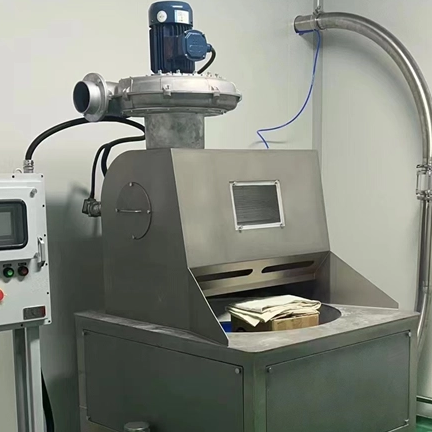
In my experience working with both start‑up bakeries and mature industrial plants, flour strategy changes significantly as production volume increases. Small bakeries may switch between multiple flour brands and types depending on promotions or local availability, while high‑volume factories usually lock in long‑term contracts to secure consistent specs. [wenvamachine]
Three practical principles stand out:
- Consistency beats perfection: A slightly less ideal flour that is highly consistent might outperform a "perfect" flour that varies from batch to batch.
- Test on your actual equipment: Lab trials are useful, but final validation must happen on your real production line to check dough behavior, forming stability, and bake uniformity.
- Align flour with product positioning: Premium products justify more delicate flours and tighter process control; mass‑market biscuits require robust formulations that tolerate supply fluctuations and minor process deviations.
Wenva's Biscuit Production Line Experience Center allows manufacturers to run pilot trials with real equipment before committing to full‑scale deployment, which significantly reduces risk when changing flour types or launching new products. [wenvamachine]
For biscuit manufacturers planning new products or upgrading existing lines, a structured approach to flour selection is key. A typical workflow might look like this: [wenvamachine]
1. Define your product targets.
- Texture: crisp, flaky, soft, crumbly.
- Market segment: budget, mid‑range, premium, health‑focused.
- Nutritional positioning: whole grain, gluten‑free, reduced sugar.
2. Shortlist 2–4 flour options.
- Standard all‑purpose vs cake vs whole wheat or blends.
- One or more gluten‑free blends if allergen‑free products are in scope.
3. Run small‑scale formulation trials.
- Mix doughs under controlled conditions to measure water absorption and dough strength.
- Evaluate dough sheetability and response to forming equipment. [wenvamachine]
4. Test on the actual biscuit production line.
- Check how each flour affects speed, waste rate, and uniformity.
- Adjust oven temperature, bake time, and cooling conditions accordingly. [wenvamachine]
5. Analyze cost and supply stability.
- Compare flour prices and long‑term contract options.
- Assess regional availability and logistics to ensure consistent delivery. [wenvamachine]
By following this method, factories move from guesswork to data‑backed decisions that consider both product quality and operational stability.
Selecting the right flour is only half the equation; it must work with your line's mechanics and thermal profile. On Wenva automated biscuit production lines, the entire process—from dough mixing to tunnel baking and cooling—is designed to handle specific dough characteristics. [wenvamachine]
Key interactions include:
- Dough mixing: Different protein levels change how quickly doughs develop strength and elasticity, affecting mixing time and energy.
- Forming machine performance: Weak doughs (from cake or gluten‑free flours) may need more careful feeding and shorter transfer paths to avoid deformation. [wenvamachine]
- Tunnel oven baking: Whole wheat biscuits can brown faster due to higher fiber content and pigments, so oven zones must be adjusted to ensure even bake. [wenvamachine]
Working with a manufacturer that understands both flour science and mechanical engineering makes it easier to fine‑tune every part of the line so that flour choice supports your brand promise, not just your production quota. [wenvamachine]
Wenva Machine has more than 40 years of experience dedicated to the development and manufacturing of automated biscuit production lines. Drawing on advanced baking equipment practices from Europe and Japan, we have independently designed and continuously improved our biscuit production technology, strictly aligning with international quality management standards. [wenvamachine]
For biscuit manufacturers, this means:
- Full customization of biscuit production line configuration to match your target products, including flour type and dough characteristics. [wenvamachine]
- On‑site technical support for trial production and commissioning, helping you reduce downtime and optimize flour usage from day one. [wenvamachine]
- A global service network and participation in multiple bakery exhibitions each year, giving you access to both local insights and international best practices. [wenvamachine]
If you are planning to upgrade your flour strategy, expand into new biscuit categories, or scale from semi‑manual production to fully automated lines, collaborating with a seasoned equipment partner significantly lowers risk and shortens your time to market. [wenvamachine]
Choosing the best flour for different types of biscuits is not just a recipe decision—it is a strategic choice that impacts texture, consistency, production efficiency, and ultimately your brand reputation. Whether you produce classic buttermilk biscuits, premium shortcakes, whole‑grain digestive biscuits, or gluten‑free snacks, your flour must align with your equipment and process. [wenvamachine]
If you're ready to:
- Validate new flour blends on a real automated biscuit production line,
- Optimize existing recipes for higher throughput and lower waste, or
- Design a new biscuit plant layout around your product portfolio,
you can work with an experienced biscuit machinery supplier to develop a tailored solution from factory layout planning through to installation and commissioning. Contact Wenva Machine's team to discuss your flour, your biscuits, and the production line that will help you deliver consistent quality at scale. [wenvamachine]
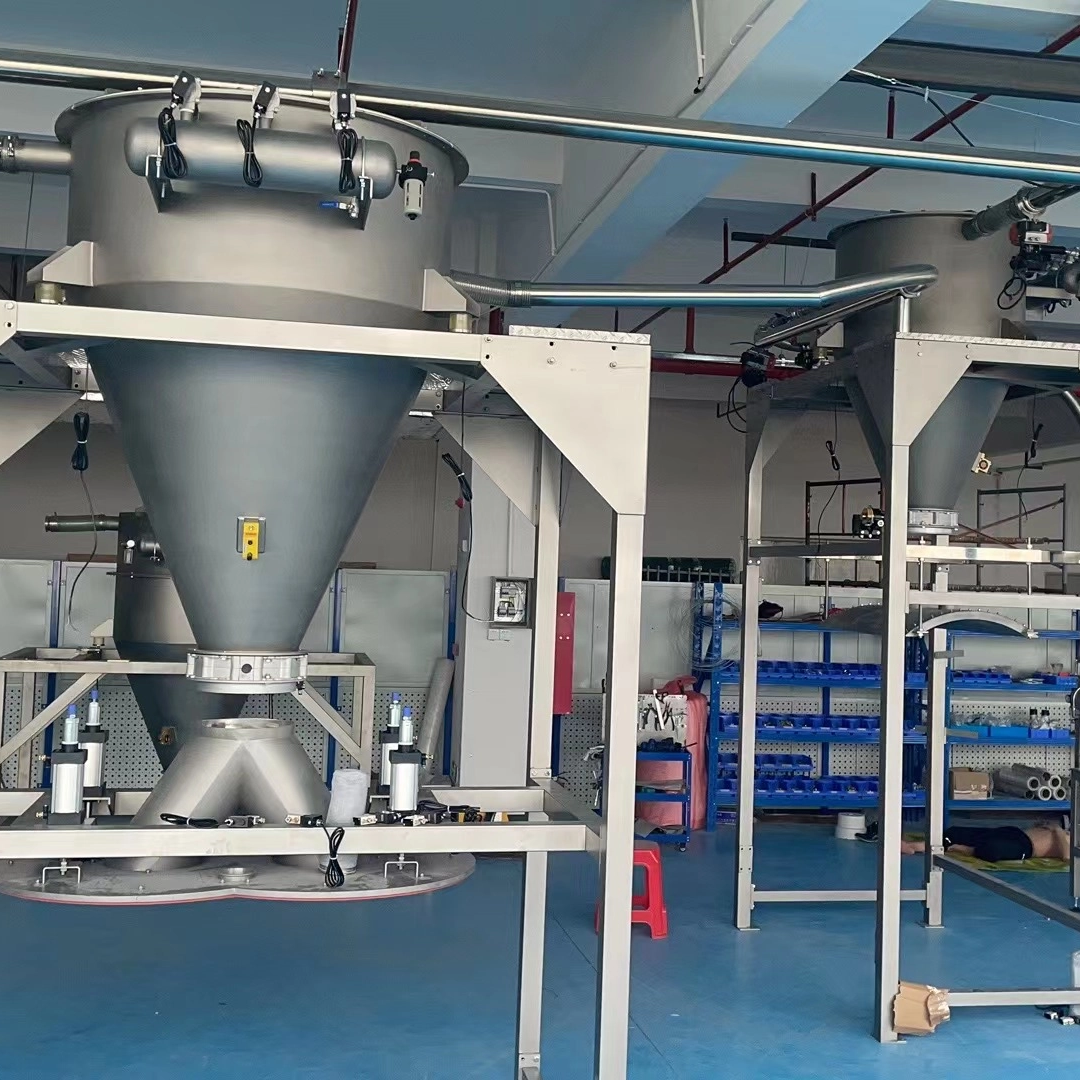
Q1: Can I use the same flour for all biscuit types in my factory?
In many cases, one versatile flour such as all‑purpose can cover several biscuit styles, but specialized products like premium shortcakes, whole‑grain biscuits, or gluten‑free lines often require dedicated flours or blends for best results. [wenvamachine]
Q2: How does protein content in flour affect biscuit production?
Higher protein generally increases dough strength and elasticity, which is helpful for some crackers but can make soft biscuits too tough if mixing and forming are not carefully controlled. Lower protein flours create more tender biscuits but may demand gentler handling on automated lines. [wenvamachine]
Q3: Do I need different equipment for gluten‑free biscuit production?
You may be able to use similar equipment, but many factories prefer dedicated lines or clearly separated zones to avoid cross‑contamination and to adjust mixing, forming, and baking parameters for gluten‑free doughs. [wenvamachine]
Q4: How can I reduce variability when switching flour suppliers?
Start with detailed flour specifications, run controlled tests on your production line, and work with both your flour supplier and equipment manufacturer to adjust mixing times, hydration levels, and oven profiles before making a full switch. [wenvamachine]
Q5: What is the role of a Biscuit Production Line Experience Center?
An experience center allows you to trial your formulations—including different flours—on industrial‑scale equipment, so you can observe dough behavior, baked quality, and line efficiency before investing in a new system or process change. [wenvamachine]
1. Golden Bake. "What Are the Best Flours for Different Types of Biscuits?" Retrieved from [https://www.foodsmachine.net/a-news-what-are-the-best-flours-for-different-types-of-biscuits.html]
2. Wenva Machine. "About Us – Biscuit Production Line Manufacturer." Retrieved from [https://www.wenvamachine.com/aboutus.html]
3. Wenva Machine. "Biscuit Production Line." Retrieved from [https://www.wenvamachine.com/biscuit-production-line.html]
4. Wenva Machine. "Automated Biscuit Production Lines: How Wenva Machine Helps Bakeries Scale With Confidence." Retrieved from [https://www.wenvamachine.com/automated-biscuit-production-lines-how-wenva-machine-helps-bakeries-scale-with-confidence.html]
5. Wenva Machine. "Deeply Engaged in Biscuit Production Equipment." Retrieved from [https://www.wenvamachine.com/news/Bakery-Machines-Ghana.html]


