
Views: 251 Author: Wenva Machine Publish Time: 2026-07-08 Origin: Site
Content Menu
● Understanding Biscuit Dough in Automated Lines
● Core Biscuit Dough Types Used in Biscuit Machines
>> Short Dough: Classic Crumbly Biscuits
>> Sweet Dough: Defined Shapes and Decorative Biscuits
>> Rich Dough: Indulgent, High‑Fat Baked Products
>> Choux‑Type Dough: Light, Hollow Structures
>> Whole‑Grain and Health‑Oriented Doughs
● How Dough Type Influences Biscuit Machine Performance
>> Key Process Parameters for Different Doughs
>> Matching Biscuit Dough Types to Product Portfolios
● Industry Trends: How Biscuit Dough Is Evolving
● Expert Perspective: Lessons from 40 Years of Biscuit Line Projects
● Practical Workflow: Choosing Biscuit Dough Types for a New Automated Line
● Why Wenva Machine Is a Strong Partner for Diverse Biscuit Doughs
● Call to Action: Plan Your Biscuit Dough Strategy With Wenva Machine
● Frequently Asked Questions (FAQ)
An automated biscuit production line is only as good as the dough recipes it runs, and choosing the right biscuit dough type for your machines is one of the most critical decisions a modern bakery can make. Drawing on more than 40 years of biscuit line engineering and commissioning experience, our team at Wenva Machine has seen how smart dough selection and precise process control can transform factories from inconsistent, labor‑intensive operations into export‑ready biscuit plants. [wenvamachine]
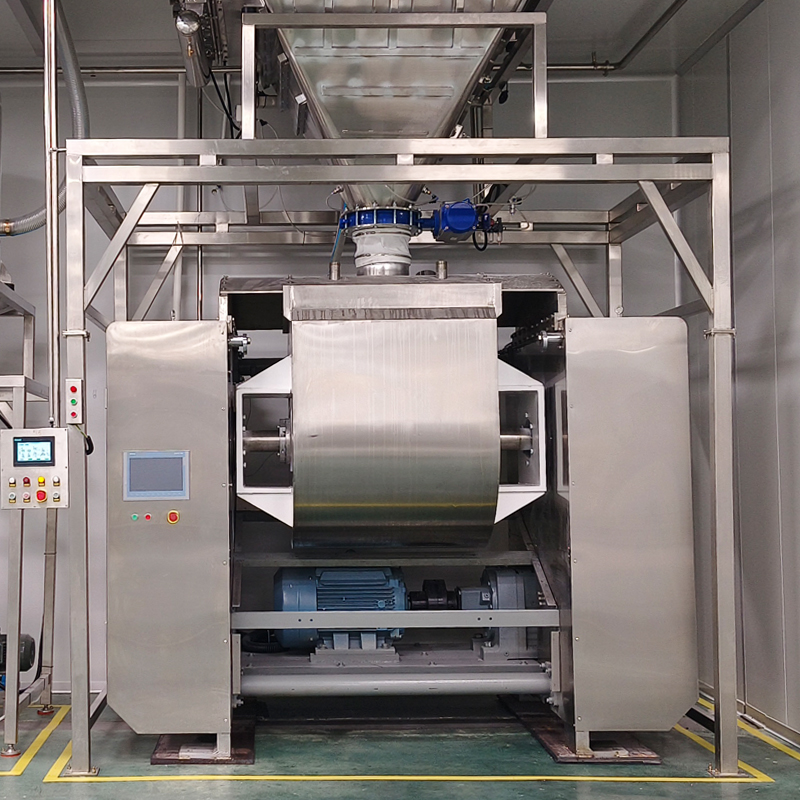
In an automated biscuit production line, dough moves from mixing to forming, baking, cooling, and packaging in a continuous, controlled flow. The composition and handling of biscuit dough at the mixing and forming stages directly determine texture, bake color, yield, and how smoothly your line can run at high capacity. [wenvamachine]
Unlike manual baking, industrial biscuit machines must process doughs that are consistent, tolerant, and compatible with rotary moulding, sheeting, cutting, or wire‑cutting technologies. That is why understanding each major dough type—and how it behaves on an automated line—is essential for equipment selection, parameter setting, and long‑term quality stability. [wenvamachine]
Short dough is the foundation for many soft and crumbly biscuits, and remains one of the most widely used doughs on automated lines. [utf-group]
- Short dough is characterized by a high fat content, which coats flour particles, limits gluten development, and creates the trademark "short" crumbly bite. [wenvamachine]
- Typical formulas use flour, sugar, and butter or margarine, often with flavorings like vanilla or citrus zest to build a rich, but delicate profile. [wenvamachine]
On rotary moulding and sheeting lines, short dough demands tight control of temperature and hydration, because over‑warm or under‑chilled dough can lose definition, stick to moulds, or break during transfer. From our commissioning projects, we see the best results when dough is mixed with controlled bowl temperature and then rested or chilled before feeding into the forming section, especially on high‑speed lines. [wenvamachine]
Sweet dough is enriched with sugar and flavorings, and often includes eggs and milk, giving biscuits a tender crumb and golden color. [wenvamachine]
- It is widely used for sugar cookies, decorated biscuits, cinnamon or spice variants, and biscuits designed for icing or printed graphics. [wenvamachine]
- Sweet dough tends to hold intricate shapes and surface designs better than very short dough, making it ideal for lines with detailed embossing or branding on the biscuit face. [wenvamachine]
On an automated biscuit production line, sweet dough benefits from rotary moulders and precision cutters that can replicate fine details at scale. However, its higher sugar content increases sensitivity to oven zoning—too aggressive heat leads to over‑coloring or edge burning—so we configure tunnel ovens with proper pre‑drying and balanced convection to protect definition and color consistency batch after batch. [wenvamachine]
Rich dough takes enrichment further, with higher fat and sugar levels, plus eggs and dairy, delivering a soft, pillowy texture and indulgent flavor. In industrial practice, these doughs are used for premium biscuits and pastry‑type products that push the line toward the boundary between "biscuit" and "viennoiserie". [wenvamachine]
- Rich dough requires gentle, precise handling because it can spread excessively or collapse if over‑mixed, over‑heated, or poorly supported during baking. [wenvamachine]
- Shaping may use specialized moulding, laminating, or depositing systems rather than simple sheeting, depending on target product formats. [wenvamachine]
From our experience, factories that run rich dough on automated lines gain the most when they standardize mixing times, dough temperature, and proofing or resting conditions, then feed data back into their process controls. This data‑driven approach reduces scrap and ensures that indulgent biscuits retain a consistent internal structure and bite even at higher capacities. [wenvamachine]
Choux dough (pâte à choux) is unusual in biscuit production because it uses high water and egg levels to create pastries that expand dramatically and form hollow centers. While traditionally associated with cream puffs and éclairs, some industrial plants leverage choux‑like formulations for specialized filled or aerated biscuit‑style products. [wenvamachine]
- The high moisture and egg content produce soft, pliable dough that relies on steam generation in the oven for lift and hollow formation. [wenvamachine]
- These recipes are typically processed by piping or depositing systems integrated into the biscuit line, rather than standard rotary moulders or gauging sheeters. [wenvamachine]
For choux‑type applications, automation focuses on accurate depositing weights, stable oven steam profiles, and gentle post‑bake handling to protect the fragile shells before filling or packaging. In our projects, we often combine choux units with specialized cooling and transfer conveyors to prevent collapse or cracking. [wenvamachine]
With global demand growing for healthier snacks, whole‑grain doughs are increasingly common on industrial biscuit lines. [wenvamachine]
- These formulations use whole wheat flour, oats, bran, and other grains, building higher fiber content and a heartier, nutty texture. [wenvamachine]
- The dough is denser and more fibrous than refined‑flour doughs, which affects mixing energy, forming, and baking profiles. [utf-group]
On the equipment side, we regularly adjust mixer power, sheeter gauging, and oven drying zones to handle whole‑grain doughs without over‑stressing drives or under‑baking the centers. For bakeries transitioning to health‑focused SKUs, upgrading process control—especially dough hydration measurement and temperature monitoring—is often as important as adding new recipes. [wenvamachine]
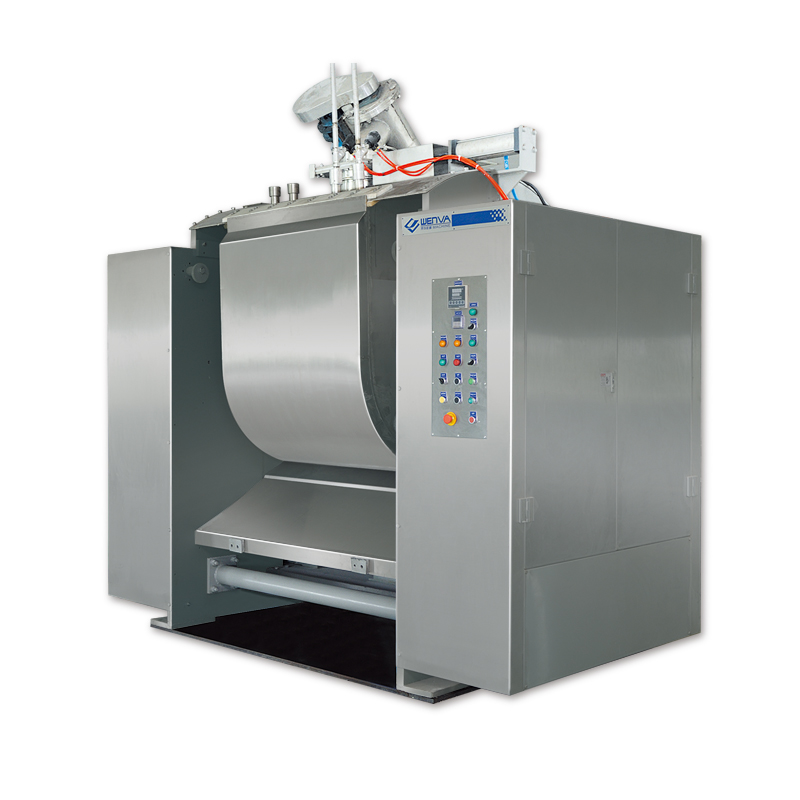
Each dough type interacts differently with the core stages of an automated biscuit line: mixing, forming, baking, and cooling. [wenvamachine]
Some critical relationships include:
- Dough hydration and temperature: Short and sweet doughs need controlled hydration and lower dough temperatures to maintain shape; rich and choux doughs are even more sensitive to over‑warming. [wenvamachine]
- Forming compatibility: Short and sweet doughs suit rotary moulding and sheeting; very sticky or aerated doughs may require wire‑cutting or depositing. [utf-group]
- Baking profile: Sweet and rich doughs demand balanced heat to avoid sugar‑driven over‑browning; whole‑grain doughs often require slightly longer drying phases to stabilize moisture. [wenvamachine]
From our on‑site work, we consistently see that fine‑tuning these parameters by dough type is one of the fastest ways to reduce scrap, stabilize quality, and unlock higher speeds without sacrificing consistency. [wenvamachine]
For a plant that wants to produce multiple SKUs on a single line, strategic dough planning is essential. A typical portfolio might include: [wenvamachine]
- Short dough for basic plain and tea biscuits
- Sweet dough for decorated, embossed, or sandwiched biscuits
- Whole‑grain dough for health‑oriented SKUs
- Rich or choux‑type doughs for premium filled or specialty products
On Wenva automated biscuit production lines, we design flexible forming sections and oven zoning to run this kind of mix, with changeovers managed through tooling swaps, recipe presets, and cleaning SOPs. This allows factories to respond to market trends—such as rising demand for fiber‑rich biscuits—without installing entirely new lines. [wenvamachine]
Recent industry analyses and our own project data show several trends reshaping how bakeries select and run biscuit doughs on automated equipment. [wenvamachine]
- Health‑driven formulations: More low‑sugar, high‑fiber, and whole‑grain recipes are entering mainstream biscuit portfolios, pushing lines toward tighter process control and data‑driven oven tuning. [wenvamachine]
- Multi‑SKU flexibility: Plants want lines that can shift between short, sweet, sandwich, and coated biscuits with minimal downtime, leading to more modular forming and controlled cooling systems. [wenvamachine]
- Sustainability and energy: Dough recipes are being evaluated alongside oven and dryer design to reduce energy per kilogram of finished product, especially for high‑moisture or long‑bake items. [wenvamachine]
Under these trends, the "best" dough is no longer just a recipe question—it is a strategic decision influenced by equipment capabilities, energy costs, and buyer expectations for nutrition and consistent quality. [wenvamachine]
From Wenva Machine's four decades of focus on biscuit production lines, a few practical lessons stand out. [wenvamachine]
1. Start with dough behavior, not only formulas.
Factories often attempt to transplant a manual recipe directly to an automated line, only to find excessive sticking, shrinkage, or color variation. We recommend first mapping how each dough type behaves under continuous mixing, high‑speed forming, and tunnel baking—then adjusting fat, water, and minor ingredients to match machine realities. [wenvamachine]
2. Design lines around your key dough families.
If your most profitable products rely on short and whole‑grain doughs, line layout, forming equipment, and oven types should be optimized for those first. Only after core dough types run stably at target capacity should you add complex rich or filled variants. [wenvamachine]
3. Use data and operator feedback together.
We see the best performance when plants combine digital data (OEE, scrap rate, moisture readings) with the practical experience of operators who know how dough "should feel" at the mixer or moulder. This joint view helps refine processing windows for each dough type more effectively than recipe theory alone. [wenvamachine]
For bakeries moving from semi‑automatic to fully automated biscuit production, a structured selection process pays off. A practical approach looks like this: [wenvamachine]
1. Map target SKUs and market segments
Identify core SKUs (plain, sandwich, whole‑grain, premium) and link each to a primary dough type—short, sweet, rich, whole‑grain, or specialty. [wenvamachine]
2. Quantify capacity and quality requirements
For each dough family, define required hourly output, acceptable color and texture ranges, and maximum scrap rates. [wenvamachine]
3. Align doughs with forming and baking technologies
Decide whether rotary moulding, sheeting and cutting, wire‑cutting, or depositing will dominate, then adjust dough formulations for optimal machinability and bake results. [utf-group]
4. Pilot and refine recipes on representative equipment
Run pilot trials—either on demo equipment or in factory acceptance tests—using your actual doughs, and record adjustments needed for hydration, fat levels, and minor ingredients. [wenvamachine]
5. Standardize SOPs and training by dough type
Document mixing times, dough temperature targets, forming settings, and oven zones per dough category, then train operators to follow and optimize those guidelines systematically.[cfabglobal] [wenvamachine]
By following this workflow, bakeries can move confidently from manual expertise to repeatable, documented processes that support both local sales and future export growth. [wenvamachine]
As a manufacturer focused on automated biscuit production lines, Wenva Machine designs and builds complete systems—from dough mixers and forming modules to tunnel ovens and cooling conveyors—around real biscuit recipes, not abstract capacity numbers. [alibaba]
- Over 40 years of engineering and global project delivery allow our teams to anticipate how short, sweet, rich, whole‑grain, and specialty doughs will behave in different climates, utility conditions, and factory layouts. [wenvamachine]
- We support customers from initial layout and dough portfolio planning through installation, commissioning, operator training, and post‑start‑up optimization, helping plants refine both recipes and process parameters until targets are met. [wenvamachine]
If your factory is considering an upgrade or a new automated biscuit line, involving an equipment partner that truly understands biscuit dough behavior can significantly reduce commissioning time and long‑term operating risk. [wenvamachine]
If you are evaluating an automated biscuit production line or planning to expand your biscuit portfolio—whether into crumbly short dough biscuits, decorative sweet varieties, or high‑fiber whole‑grain products—our engineering and business teams can help you design the right combination of dough recipes and line configuration for your plant. [wenvamachine]
With decades of accumulated project data and hands‑on commissioning experience, Wenva Machine can work with your team to define realistic capacity goals, select appropriate dough types, and configure an automated biscuit line that matches your layout, budget, and market strategy. To explore options tailored to your factory, simply reach out to Wenva through the official contact channels and start a detailed discussion of your dough portfolio and production targets. [wenvamachine]
1. Which biscuit dough type is best for high‑speed rotary moulding?
Short dough and many sweet dough formulations perform well on high‑speed rotary moulders when fat level, hydration, and dough temperature are tightly controlled. These doughs release cleanly from moulds and maintain embossed detail when correctly conditioned before forming. [utf-group]
2. Can I run whole‑grain and refined‑flour doughs on the same biscuit line?
Yes. Many modern lines run refined short or sweet doughs alongside whole‑grain recipes, provided mixers, sheeters, and ovens are configured for both density and moisture profiles. Changeovers require robust cleaning and recipe presets, but do not demand separate production lines in most cases. [wenvamachine]
3. How does dough type affect tunnel oven design?
High‑sugar or rich doughs need carefully balanced heat to avoid over‑coloring, while dense whole‑grain doughs often require longer drying zones to stabilize internal moisture. Selecting the right mix of direct gas, radiant, and convection zones is critical to matching your key dough families. [wenvamachine]
4. What is the main risk when transferring manual dough recipes to automated lines?
The biggest risk is assuming that a dough optimized for hand forming will behave identically in continuous mixing and high‑speed forming, leading to sticking, shrinkage, or excessive scrap. Pilot trials and formula adjustments are essential before full‑scale implementation. [wenvamachine]
5. How can automation improve biscuit quality across different dough types?
Automation stabilizes mixing ratios, dough thickness, baking time, and temperature, reducing batch‑to‑batch variation and helping maintain uniform color, texture, and moisture for short, sweet, rich, and whole‑grain biscuits alike. With proper recipe‑specific settings, quality improves even at higher throughput. [wenvamachine]
1. Foodsmachine.net – "What Are the Different Types of Biscuit Dough Used in Biscuit Machines?" (original dough type overview and definitions). https://www.foodsmachine.net/a-news-what-are-the-different-types-of-biscuit-dough-used-in-biscuit-machines.html
2. Wenva Machine – "Automated Biscuit Production Lines: How Wenva Machine Helps Bakeries Scale With Confidence" (biscuit line structure, capacity, trends, and project approach). https://www.wenvamachine.com/automated-biscuit-production-lines-how-wenva-machine-helps-bakeries-scale-with-confidence.html
3. Wenva Machine – Official Website and product listings (company history, equipment portfolio, and project services). https://www.wenvamachine.com
4. Alibaba – "Wenva New Fully Automatic Multifunctional Biscuit Cookie Production Line Industrial Turnkey Solution for Bakery Hard Soft" (equipment specifications and application fields). https://www.alibaba.com/product-detail/Wenva-New-Fully-Automatic-Multifunctional-Biscuit_60006318482.html
5. CFAB Global – "Baking Better: Strategies to Improve Bakery Production" (process optimization and quality systems). https://cfabglobal.com/how-to-improve-bakery-production/
6. PY Food Machine – "How to Choose the Best Biscuit Making Production Line?" (layout and capacity guidance). https://www.py-foodmachine.com/blog/2026-best-biscuit-making-production-line/
7. UTF Group – "Biscuit making machines and industrial lines" (dough types and forming technologies, including rotary moulding). https://utf-group.com/en/biscuit-machines/


