
Views: 222 Author: Sara Publish Time: 2025-04-29 Origin: Site
Content Menu
● Introduction to Biscuit Production Lines
>> Key Components of a Biscuit Production Line
● What Is Broomhilda's Bakery Machine?
>> Primary Uses of Broomhilda's Bakery Machine
● Features and Advantages of Broomhilda's Bakery Machine
>> 1. High Automation and Efficiency
>> 2. Versatility in Biscuit Production
>> 3. Precision and Consistency
>> 4. Energy-Efficient Baking Ovens
>> 5. Space-Saving and Modular Design
● Broomhilda's Bakery Machine in the Biscuit Production Process
>> Step 2: Dough Feeding and Forming
>> Step 5: Quality Inspection and Packaging
● Integration with Modern Factory Automation
● FAQ
>> 1. What types of biscuits can Broomhilda's Bakery Machine produce?
>> 2. How does Broomhilda's Bakery Machine improve production efficiency?
>> 3. Can Broomhilda's Bakery Machine be customized for specific biscuit recipes?
>> 4. What are the energy options for the baking ovens in Broomhilda's Bakery Machine?
>> 5. Is Broomhilda's Bakery Machine suitable for small and large-scale production?
As a leading manufacturer of biscuit and cookie production line machinery in China, we specialize in providing advanced equipment for overseas biscuit and cookie producers. Among the innovative machines we offer, Broomhilda's Bakery Machine stands out as a versatile and efficient solution for modern biscuit manufacturing. This article explores the purpose, features, and benefits of Broomhilda's Bakery Machine within the context of a complete biscuit production line, highlighting how it integrates into the manufacturing process to deliver high-quality baked goods.

Biscuit production lines are complex, automated systems designed to transform raw ingredients into finished biscuits and cookies efficiently and consistently. These lines typically include multiple machines working in sequence: dough mixers, molders, cutters, ovens, cooling conveyors, and packaging equipment. The goal is to maximize productivity, reduce labor costs, and ensure product uniformity.
- Dough Mixer: Combines ingredients like flour, sugar, fats, and flavorings into a uniform dough.
- Dough Feeder: Breaks down bulk dough and feeds it into forming machines.
- Forming Machines (e.g., Wire Cut, Depositor, Rotary Molder): Shape the dough into biscuits of various sizes and designs.
- Ovens: Bake the biscuits under controlled temperature and humidity.
- Cooling Conveyors: Cool the baked biscuits to prevent breakage and prepare them for packaging.
- Packaging Machines: Arrange and wrap biscuits for shipment.
Broomhilda's Bakery Machine is designed to fit within this production ecosystem, enhancing efficiency and product quality.
Broomhilda's Bakery Machine is an advanced biscuit and cookie production machine that automates critical steps such as dough handling, shaping, baking, and cooling. It is engineered to accommodate a wide variety of biscuit types, including hard biscuits, soft cookies, filled biscuits, and decorated varieties.
- Dough Mixing and Feeding: The machine can mix ingredients to the desired consistency and feed dough into shaping units.
- Shaping and Cutting: It uses precise molds and cutters to form biscuits with consistent size and shape, minimizing dough waste.
- Baking: Integrated with high-performance ovens that maintain uniform baking conditions for optimal texture and color.
- Cooling: Equipped with conveyor cooling systems that ensure biscuits are cooled evenly to maintain quality.
- Quality Control: Supports integration with inspection systems to detect defects before packaging.
Broomhilda's Bakery Machine supports fully automatic operation, reducing manual labor and increasing production speed. It can produce hundreds of biscuit types with different shapes and textures by simply changing molds or adjusting settings. This automation not only accelerates production but also ensures consistent product quality, which is crucial for maintaining brand reputation in competitive markets.
Whether producing wire-cut cookies, deposited cookies, or extruded biscuits, the machine adapts to various dough consistencies and recipes. This flexibility allows bakeries to diversify their product lines without investing in multiple machines. For example, a single Broomhilda machine can switch from producing classic butter cookies to chocolate chip cookies or even sandwich biscuits with cream filling, simply by adjusting the settings and changing molds.
The machine uses advanced control systems to ensure uniform dough weight, shape, and baking time, which translates to consistent product quality and reduced giveaway losses. Precision dosing and forming mechanisms guarantee each biscuit meets exact specifications, reducing waste and improving yield. This level of control is especially important for premium biscuit brands that demand flawless appearance and texture.
Equipped with convection or direct gas-fired ovens, the machine provides precise temperature and humidity control, optimizing baking conditions to achieve perfect biscuit texture and color. The ovens are designed to maximize heat transfer efficiency, reducing energy consumption and operational costs. Additionally, some models incorporate heat recovery systems that reuse exhaust heat, further enhancing energy savings.
The compact and modular design allows easy integration into existing production lines and efficient use of factory floor space. Modular units can be added or removed to scale production capacity or adapt to new product lines, offering flexibility for growing businesses. This design also simplifies maintenance and cleaning, which are critical for food safety compliance.

The machine starts with mixing raw materials such as wheat flour, sugar, fats, and dairy products in a high-speed mixer to form a consistent dough. The mixing bowl tipper then transfers the dough to the feeding system. The mixing process is carefully controlled to ensure the dough has the right moisture content and elasticity, which affects the final biscuit texture.
The dough feeder breaks down large dough lumps and feeds them into the shaping unit. Depending on the biscuit type, the machine uses wire-cut, depositor, or rotary molder technology to form biscuits with precise shapes and sizes. For example, wire-cut technology is ideal for drop cookies like chocolate chip, while rotary molders excel at producing intricately patterned biscuits.
Formed biscuits are conveyed into the baking oven, where temperature and baking time are controlled to ensure uniform cooking. The baking oven may be a convection tunnel oven or a hybrid oven, depending on production needs. The oven's airflow system ensures even heat distribution, preventing overbaking or underbaking. Some advanced ovens also feature humidity control to maintain biscuit softness or crispness as required.
After baking, biscuits pass through a cooling conveyor that gradually reduces their temperature to prevent breakage and moisture retention, extending shelf life. The cooling process is vital to stabilize the biscuit structure and prepare products for packaging. Cooling tunnels may use forced air or refrigeration systems depending on the product type.
The machine supports integration with inspection tables and stacking systems to ensure only quality biscuits proceed to packaging. Automated vision systems can detect defects such as cracks, color inconsistencies, or shape deformities. After inspection, biscuits are stacked or arranged for packaging, which may include flow wrapping, box packing, or tray packing.
Broomhilda's Bakery Machine is designed to seamlessly integrate with Industry 4.0 technologies, enabling smart factory operations. It can connect to centralized control systems for real-time monitoring of production parameters, predictive maintenance alerts, and data analytics. This connectivity helps manufacturers optimize production schedules, reduce downtime, and improve product traceability.
Reliable operation of Broomhilda's Bakery Machine depends on regular maintenance and timely support. Our factory provides comprehensive after-sales services including installation, training, spare parts supply, and technical support. The machine's design facilitates easy cleaning and maintenance, which is essential for meeting food safety standards and minimizing production interruptions.
Broomhilda's Bakery Machine is a comprehensive solution designed for modern biscuit and cookie manufacturers seeking automation, versatility, and high production efficiency. By integrating advanced dough mixing, shaping, baking, and cooling technologies, this machine ensures consistent product quality while reducing labor costs and production time. Its modular design and adaptability to various biscuit types make it an indispensable asset for bakeries aiming to expand their product range and meet growing market demands. Investing in Broomhilda's Bakery Machine means embracing innovation, improving operational efficiency, and delivering delicious, high-quality biscuits to consumers worldwide.
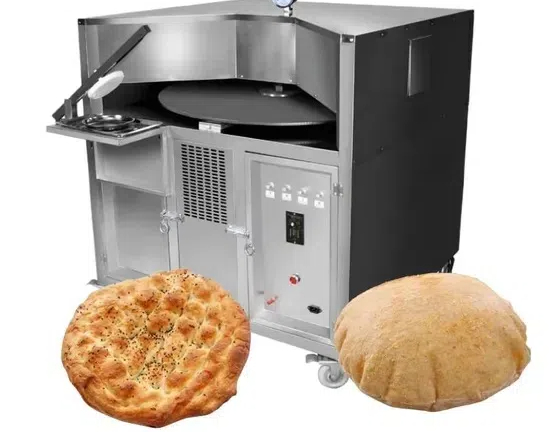
Broomhilda's Bakery Machine can produce a wide variety of biscuits, including hard biscuits, soft cookies, filled biscuits, and decorated biscuits with chocolate or icing. It supports wire-cut, depositor, and rotary molding technologies for diverse shapes and textures.
The machine automates multiple stages of biscuit production, from dough mixing to cooling, reducing manual labor and increasing output speed. Its precise control systems minimize dough waste and ensure consistent product quality.
Yes, the machine is highly customizable. Customers can adjust mixing parameters, molds, baking conditions, and conveyor speeds to suit different biscuit recipes and production volumes.
The baking ovens can be configured to use electricity, gas, diesel, or thermal oil, depending on customer preferences and local energy availability, providing flexibility and energy efficiency.
Yes, the machine is scalable with models supporting production capacities ranging from a few hundred kilograms per hour to several tons per hour, making it suitable for both small bakeries and large industrial manufacturers.


