
Views: 222 Author: Wenva Machinery Publish Time: 2026-01-17 Origin: Site
Content Menu
>> Definition and Functionality
● Benefits of Custom Tunnel Ovens
>> 3. Flexibility and Customization
● Key Features of Custom Tunnel Ovens
>> 2. Advanced Control Systems
>> 4. Automated Cleaning Systems
● Applications of Tunnel Ovens in Biscuit and Snack Manufacturing
● Choosing the Right Tunnel Oven
● Innovations in Tunnel Oven Technology
>> 1. Smart Technology Integration
>> 4. Customizable Baking Profiles
>> 1. What are the main advantages of using a tunnel oven for biscuit production?
>> 2. Can tunnel ovens be used for other snack foods?
>> 3. How do I maintain a tunnel oven?
>> 4. Are custom tunnel ovens energy-efficient?
>> 5. How can I determine the right size of a tunnel oven for my production needs?
In the competitive world of biscuit and snack manufacturing, efficiency and quality are paramount. Custom tunnel ovens have emerged as a vital solution for manufacturers looking to optimize their production processes. These ovens not only enhance baking efficiency but also ensure consistent product quality, making them an essential investment for any serious manufacturer. This article explores the various aspects of custom tunnel ovens, their benefits, and how they can be tailored to meet the specific needs of biscuit and snack production.
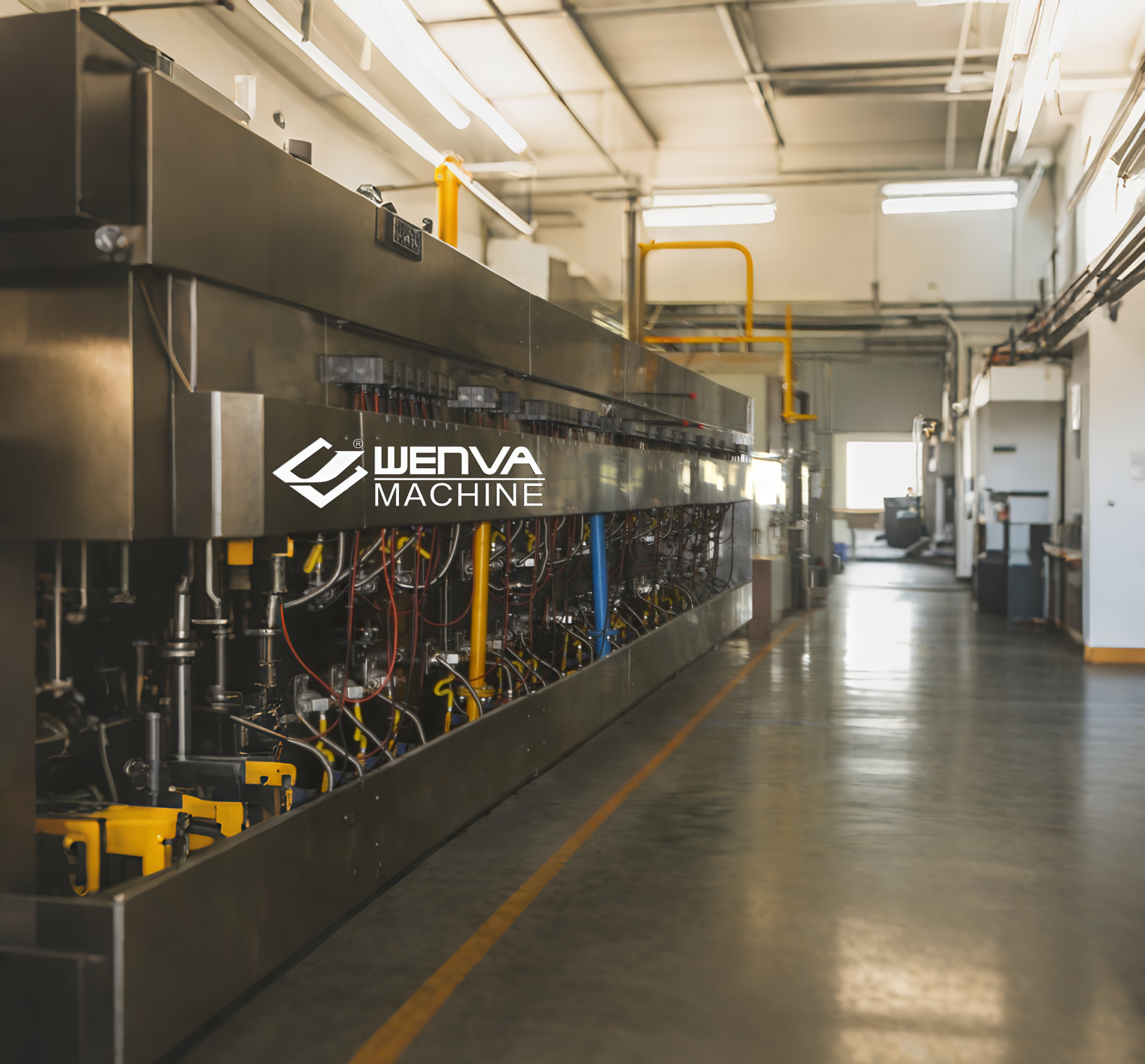
A tunnel oven is a continuous baking system that uses a conveyor belt to transport products through a heated chamber. This design allows for a constant flow of products, making it ideal for high-volume production. The oven's design can vary significantly based on the specific requirements of the manufacturer, including size, heating method, and control systems.
Tunnel ovens operate on the principle of convection, conduction, and radiation. Hot air is circulated within the oven, ensuring even heat distribution. The conveyor belt moves the products through different temperature zones, allowing for precise control over the baking process. This method not only improves efficiency but also enhances the quality of the baked goods.
Custom tunnel ovens are designed to maximize production efficiency. With continuous operation and automated processes, manufacturers can significantly increase their output while reducing labor costs. The ability to bake large quantities of biscuits and snacks simultaneously ensures that production meets market demands.
One of the primary advantages of using a tunnel oven is the consistency it offers. The precise temperature control and uniform heat distribution ensure that every batch of biscuits or snacks is baked to perfection. This consistency is crucial for maintaining product quality and meeting consumer expectations.
Custom tunnel ovens can be tailored to meet the specific needs of different manufacturers. This includes adjustments in size, heating methods (such as gas, electric, or hybrid), and control systems. Manufacturers can also specify the number of baking zones, allowing for greater control over the baking process.
Modern tunnel ovens are designed with energy efficiency in mind. Many models incorporate advanced insulation materials and energy-saving technologies, which help reduce operational costs. This not only benefits the manufacturer's bottom line but also contributes to more sustainable production practices.
Tunnel ovens are often more compact than traditional batch ovens, making them ideal for facilities with limited space. Their design allows for efficient use of floor space, enabling manufacturers to maximize their production capabilities without requiring extensive facility modifications.
Many custom tunnel ovens feature a modular design, allowing manufacturers to easily expand or modify their systems as production needs change. This flexibility is essential for businesses looking to scale their operations without significant downtime.
Modern tunnel ovens come equipped with sophisticated control systems that allow for precise monitoring and adjustment of baking parameters. These systems can be programmed to accommodate different recipes, ensuring that each product is baked under optimal conditions.
Custom tunnel ovens can be divided into multiple baking zones, each with its own temperature and airflow settings. This feature allows manufacturers to bake different types of biscuits or snacks simultaneously, optimizing production efficiency.
To maintain hygiene and efficiency, many custom tunnel ovens are equipped with automated cleaning systems. These systems help reduce downtime for maintenance and ensure that the ovens remain in optimal working condition.
Tunnel ovens are particularly well-suited for biscuit production, where consistent baking is crucial. The ability to control temperature and airflow allows manufacturers to achieve the desired texture and flavor for various biscuit types. This is especially important for products that require specific baking times and temperatures to develop their unique characteristics.
In addition to biscuits, tunnel ovens can be used for a wide range of snack foods, including crackers, chips, and pretzels. The versatility of these ovens makes them an excellent choice for manufacturers looking to diversify their product offerings. The ability to switch between different products without significant downtime is a major advantage in the fast-paced snack food market.
Custom tunnel ovens can also be designed for specialty products, such as gluten-free or organic biscuits. The flexibility in design and control systems allows manufacturers to cater to niche markets effectively. This adaptability is crucial as consumer preferences shift towards healthier and more diverse snack options.
When selecting a custom tunnel oven, manufacturers should consider several factors, including:
- Production Capacity: Determine the required output to ensure the oven can meet production demands. This involves analyzing current production levels and forecasting future growth.
- Space Requirements: Assess the available space in the facility to choose an appropriately sized oven. Space constraints can significantly impact the design and layout of the production line.
- Energy Efficiency: Look for ovens with energy-saving features to reduce operational costs. Energy-efficient models not only lower utility bills but also contribute to a more sustainable operation.
- Customization Options: Ensure the oven can be tailored to meet specific production needs and accommodate different recipes. Customization can include adjustments to baking times, temperatures, and even the type of heating used.
It is advisable for manufacturers to consult with experts in tunnel oven technology to identify the best solutions for their specific needs. Many manufacturers offer support services, including installation, training, and maintenance, to ensure optimal performance. Engaging with experienced suppliers can also provide insights into the latest innovations and best practices in tunnel oven technology.
The integration of smart technology into tunnel ovens is revolutionizing the baking industry. Manufacturers are increasingly adopting IoT (Internet of Things) solutions that allow for real-time monitoring and control of the baking process. This technology enables manufacturers to track performance metrics, identify potential issues before they become problems, and optimize energy usage.
Automation is another significant trend in tunnel oven technology. Advanced automation systems can manage the entire baking process, from mixing ingredients to packaging the final product. This level of automation not only increases efficiency but also reduces the likelihood of human error, ensuring consistent product quality.
As sustainability becomes a priority for many manufacturers, tunnel ovens are being designed with eco-friendly features. This includes using materials that are recyclable or made from sustainable sources, as well as implementing energy-efficient technologies that reduce the carbon footprint of the baking process.
Modern tunnel ovens allow for the creation of customizable baking profiles that can be saved and recalled for different products. This feature is particularly beneficial for manufacturers producing a variety of snacks, as it enables quick adjustments to baking parameters without extensive reconfiguration.
Custom tunnel ovens are a game-changer for biscuit and snack manufacturers, offering enhanced efficiency, consistent quality, and flexibility. By investing in these advanced baking solutions, manufacturers can optimize their production processes and meet the ever-growing demands of the market. As the industry continues to evolve, the importance of tailored solutions will only increase, making custom tunnel ovens an essential component of modern food manufacturing.
Tunnel ovens provide enhanced efficiency, consistent baking quality, and the ability to customize settings for different recipes.
Yes, tunnel ovens are versatile and can be used for various snack foods, including crackers, chips, and pretzels.
Regular maintenance includes cleaning, checking temperature controls, and ensuring that the conveyor system operates smoothly.
Many modern tunnel ovens are designed with energy-saving features, helping to reduce operational costs.
Assess your production capacity requirements and available space in your facility to choose an appropriately sized oven.


