
Views: 223 Author: Wenva Machinery Publish Time: 2026-01-17 Origin: Site
Content Menu
● Common Problems in Tunnel Ovens
>>> Causes of Inconsistent Baking
>>> Solutions to Ensure Consistent Baking
>> 2. Underbaked or Overbaked Products
>> 3. Dough Sticking to Equipment
>>> Solutions to Prevent Dough Sticking
>>> Identifying Quality Issues
>>> Solutions for Consistent Quality
>>> Preventive Maintenance Strategies
● Best Practices for Tunnel Oven Operation
>> 1. Regular Training for Operators
>> 2. Implementing Quality Control Measures
>> 3. Utilizing Technology for Monitoring
>> 4. Maintaining a Clean Environment
● Additional Challenges in Tunnel Oven Operations
>> 1. Energy Efficiency Concerns
>> 2. Adapting to Different Biscuit Recipes
>> 3. Managing Production Speed
>> 1. What are the most common problems faced with tunnel ovens in biscuit production?
>> 2. How can I ensure consistent baking in my tunnel oven?
>> 3. What should I do if my biscuits are sticking to the equipment?
>> 4. How often should I conduct maintenance on my tunnel oven?
>> 5. What role does operator training play in preventing tunnel oven problems?
Tunnel ovens are essential in the biscuit production process, providing a continuous baking solution that enhances efficiency and consistency. However, like any complex machinery, they can encounter various problems that may affect production quality and efficiency. Understanding these common issues and how to avoid them is crucial for manufacturers aiming to maintain high standards in their biscuit production. This article will explore the most frequent tunnel oven problems, their causes, and effective solutions to prevent them.
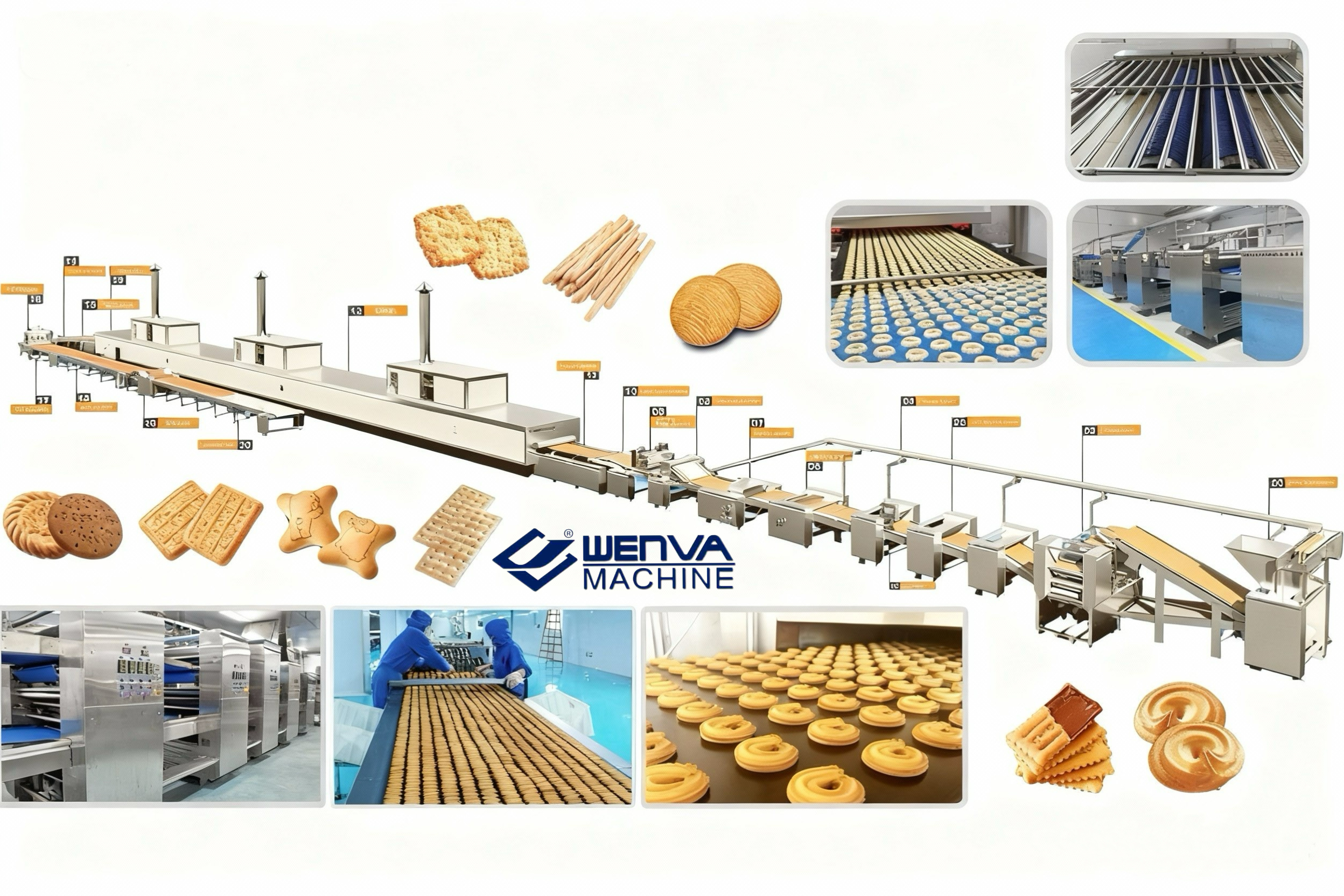
Inconsistent baking is one of the most prevalent issues faced by manufacturers. This problem can arise from several factors, including:
- Temperature Fluctuations: Variations in oven temperature can lead to uneven baking, resulting in some biscuits being undercooked while others are overcooked.
- Airflow Issues: Poor airflow can cause hot spots within the oven, leading to uneven heat distribution.
To mitigate these issues, manufacturers should:
- Regularly Calibrate the Oven: Ensuring that the oven temperature is consistently monitored and adjusted can help maintain even baking conditions.
- Optimize Airflow: Regular maintenance of fans and vents can improve airflow, ensuring that heat is evenly distributed throughout the baking chamber.
Underbaked or overbaked biscuits can significantly impact product quality. This issue often stems from:
- Incorrect Baking Time: If the conveyor speed is too fast, biscuits may not spend enough time in the oven to bake properly.
- High Initial Temperatures: Excessive heat in the early stages of baking can cause the outer layer to harden too quickly, trapping moisture inside.
To avoid these problems, manufacturers should:
- Adjust Conveyor Speed: Slowing down the conveyor belt can increase the dwell time, allowing biscuits to bake thoroughly.
- Control Initial Temperatures: Lowering the temperature in the first baking zones can prevent case hardening and ensure even baking.
Dough sticking to mixers, sheeters, or cutters can lead to production delays and affect the quality of the biscuits. Common causes include:
- Insufficient Lubrication: Lack of lubrication on moving parts can cause dough to stick.
- Improper Equipment Settings: Incorrect settings on machinery can lead to excessive pressure or friction, causing dough to adhere.
To prevent dough from sticking, manufacturers should:
- Regularly Lubricate Equipment: Ensuring that all moving parts are adequately lubricated can reduce friction and prevent sticking.
- Adjust Equipment Settings: Fine-tuning the settings on mixers and sheeters can help achieve the right balance of pressure and speed.
Uneven product quality can manifest as variations in color, texture, and taste. This problem can be attributed to:
- Inconsistent Ingredient Mixing: Variations in ingredient proportions can lead to differences in dough consistency.
- Baking Time Variations: Differences in baking times across the oven can result in inconsistent product quality.
To ensure uniform product quality, manufacturers should:
- Implement Standardized Recipes: Using precise measurements and consistent mixing techniques can help maintain uniformity in dough preparation.
- Monitor Baking Times: Regularly checking and adjusting baking times can help ensure that all products are baked to the same standard.
Equipment malfunctions can disrupt production and lead to significant downtime. Common issues include:
- Burner Problems: Faulty burners can lead to inconsistent heating and affect the overall baking process.
- Fan Failures: Malfunctioning fans can disrupt airflow, leading to uneven baking.
To minimize equipment malfunctions, manufacturers should:
- Conduct Regular Inspections: Routine checks of burners, fans, and other critical components can help identify potential issues before they escalate.
- Implement a Maintenance Schedule: Establishing a regular maintenance schedule can ensure that all equipment is functioning optimally.
Training operators on the proper use and maintenance of tunnel ovens is essential for preventing issues. Regular training sessions can help ensure that all staff are familiar with the equipment and understand how to troubleshoot common problems.
Establishing quality control measures throughout the production process can help identify issues early. Regular sampling and testing of products can ensure that any deviations from quality standards are addressed promptly.
Investing in technology that allows for real-time monitoring of oven conditions can help manufacturers maintain optimal baking conditions. Sensors that track temperature, humidity, and airflow can provide valuable data that can be used to make adjustments as needed.
Keeping the production area clean is crucial for preventing contamination and ensuring product quality. Regular cleaning of equipment and the baking area can help maintain hygiene standards and prevent issues related to dough sticking or equipment malfunctions.
Energy consumption is a significant concern for many manufacturers. Tunnel ovens can be energy-intensive, and inefficiencies can lead to increased operational costs. To address this, manufacturers should consider:
- Investing in Energy-Efficient Models: Newer tunnel ovens often come with advanced insulation and energy-saving technologies that can significantly reduce energy consumption.
- Regular Maintenance: Ensuring that the oven is well-maintained can prevent energy losses due to leaks or inefficiencies.
Different biscuit recipes may require specific baking conditions. For instance, variations in dough moisture content, fat levels, and ingredient types can affect how biscuits bake. To adapt to these variations, manufacturers should:
- Customize Baking Profiles: Many modern tunnel ovens allow for the creation of customizable baking profiles that can be adjusted based on the specific requirements of different recipes.
- Conduct Trial Bakes: Before full-scale production, conducting trial bakes can help determine the optimal settings for new recipes.
As demand for biscuits increases, manufacturers may feel pressure to speed up production. However, increasing the speed of the conveyor belt without proper adjustments can lead to quality issues. To manage production speed effectively, manufacturers should:
- Balance Speed with Quality: It is essential to find a balance between production speed and product quality. Regularly monitoring the output can help ensure that quality is not compromised for speed.
- Implement Flexible Production Lines: Designing production lines that can easily adapt to changes in demand can help manufacturers respond quickly without sacrificing quality.
Tunnel ovens are a vital component of biscuit production, but they are not without their challenges. By understanding common problems and implementing effective solutions, manufacturers can enhance their production processes and maintain high-quality standards. Regular maintenance, operator training, and the use of technology can significantly reduce the likelihood of issues arising, ensuring a smooth and efficient baking operation. Additionally, addressing energy efficiency, adapting to different recipes, and managing production speed are crucial for optimizing tunnel oven performance.
Common problems include inconsistent baking, underbaked or overbaked products, dough sticking to equipment, uneven product quality, and equipment malfunctions.
Regular calibration of the oven, optimizing airflow, and monitoring temperature can help ensure consistent baking.
Ensure that all moving parts are adequately lubricated and adjust equipment settings to reduce pressure and friction.
Regular maintenance should be conducted according to a set schedule, including daily checks and routine inspections.
Proper training ensures that operators are familiar with the equipment and can identify and troubleshoot common issues effectively.


