
Views: 229 Author: WENVA machine Publish Time: 2025-11-14 Origin: Site
Content Menu
● Top 10 Tunnel Oven Manufacturers and Suppliers in Vietnam
>> 2. Meta Therm Furnace Private Limited
>> 6. GEA Group
>> 8. Vnatech
>> 9. Den Boer
>> 10. Maharith Thermal Pvt. Ltd.
● Vietnam Bakery & Biscuit Market Analysis: Trends, Consumer Preferences, and the Role of Tunnel Ovens
● Key Features of Tunnel Ovens
● Innovations in Tunnel Oven Technology
>> Advanced Heating Technologies
>> Automation and Control Systems
● Market Analysis of the Vietnamese Baking Industry
>> Integration of Tunnel Ovens in Food Production
>> Challenges and Opportunities
● The Future of Tunnel Ovens in Vietnam
>> Conclusion
Tunnel ovens are vital in the baking and food processing industries, providing efficient and consistent cooking solutions. In Vietnam, several manufacturers and suppliers specialize in tunnel ovens, catering to various industrial needs. This article explores the top ten tunnel oven manufacturers and suppliers in Vietnam, highlighting their offerings, technologies, and unique features.
A tunnel oven is a continuous baking system where products are transported through a long, heated chamber. This design allows for high-volume production and uniform baking, making i ideal for bakeries and food processing plants. The products enter one end of the oven and exit the other after being subjected to controlled heat, ensuring that each item is baked to perfection.
Efficiency: Continuous operation reduces downtime and increases productivity. Unlike batch ovens, which require loading and unloading, tunnel ovens allow for a steady flow of products, maximizing output.
Uniformity: Consistent temperature and airflow ensure even baking. This is crucial for maintaining quality, especially in large-scale production where variations can lead to significant losses.
Versatility: Suitable for various products, including bread, pastries, and snacks. Tunnel ovens can be adapted to different baking processes, making them a valuable asset for diverse baking operations.
Wenva specializes in advanced tunnel ovens designed for modern biscuit and snack production. With decades of engineering experience, we deliver reliable, energy-efficient, and highly customizable baking solutions that fit a wide range of factory layouts and product requirements. Our continuous investment in innovation ensures consistent baking quality and stable performance. Supported by professional installation, training, and global after-sales service, Wenva provides manufacturers with efficient, scalable, and cost-effective production capability.
Wenva provides comprehensive services including installation, operator training, maintenance, and rapid technical support to ensure smooth and efficient production. With a growing global presence and strong understanding of international baking trends, Wenva strives to be a trusted long-term partner for bakeries seeking stable output, scalable capacity, and sustainable growth.
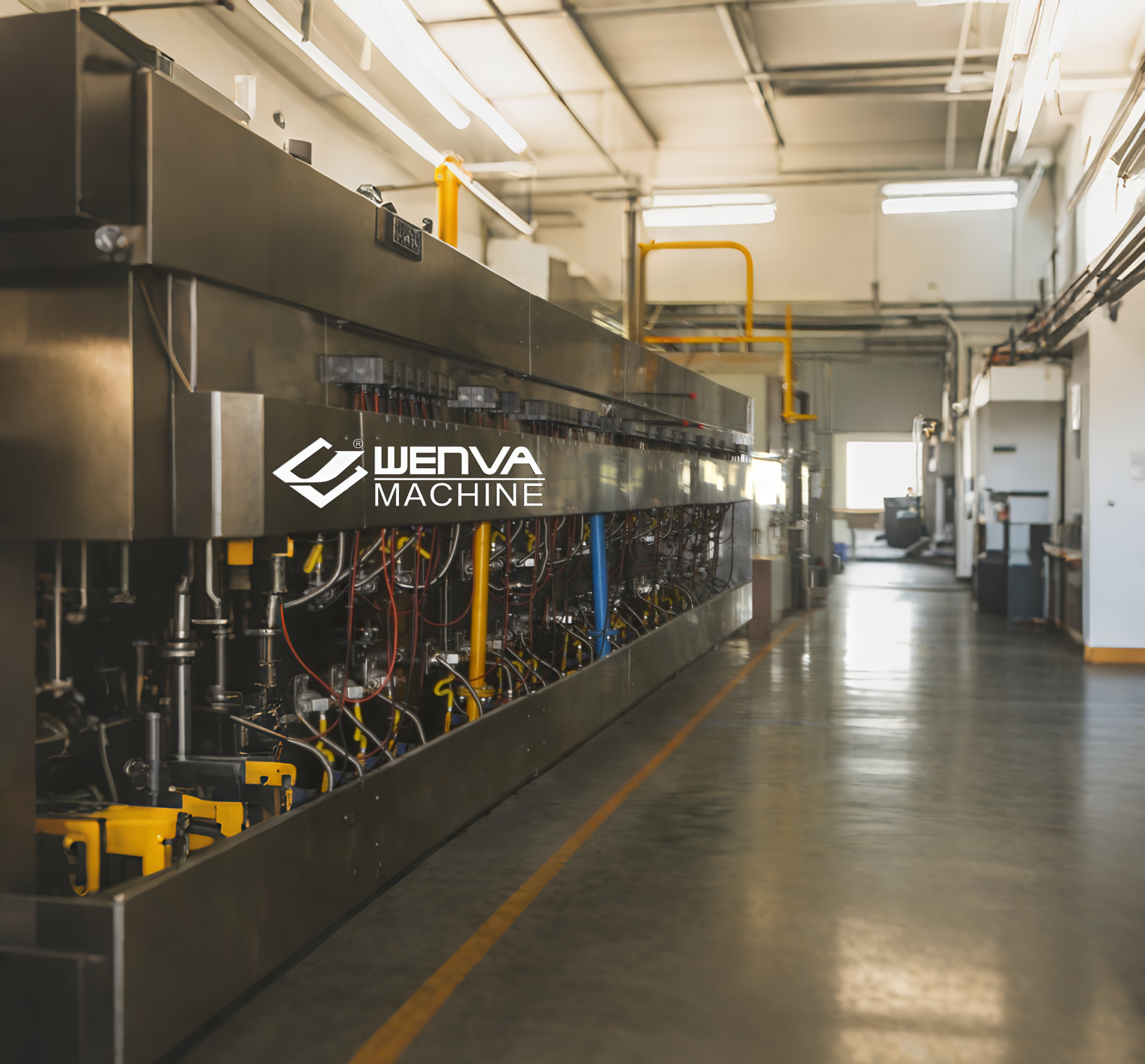
Meta Therm is recognized for its electric ovens and industrial baking solutions. Their tunnel ovens are designed for high performance and energy efficiency, making them a popular choice among Vietnamese bakers. The company prides itself on using advanced technology to create ovens that not only bake efficiently but also reduce energy consumption, contributing to lower operational costs.
Heweida specializes in industrial ovens, including tunnel ovens. They emphasize quality and customer satisfaction, offering a range of products tailored to meet specific baking needs. Heweida's commitment to innovation ensures that their ovens incorporate the latest technology, providing users with reliable and efficient baking solutions.
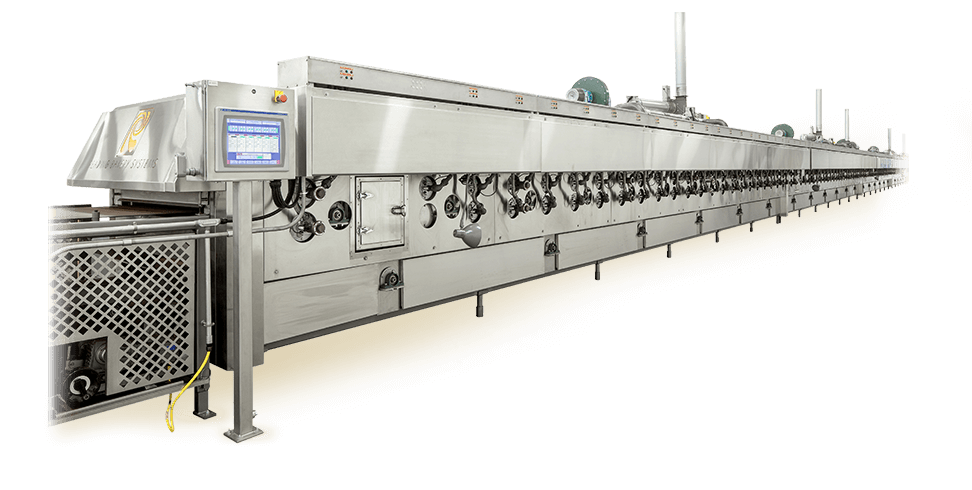
SAIKOPACK offers advanced infrared tunnel ovens that provide fast and even heating. Their technology is designed to enhance baking quality while reducing energy consumption. The infrared heating method allows for quicker baking times and improved product quality, making it an attractive option for high-volume bakeries.
Farhat Bakery is known for its high-temperature tunnel ovens, ideal for flatbread and other baked goods. Their ovens feature innovative designs that improve baking efficiency and product quality. With a focus on high thermal energy, Farhat's ovens can significantly reduce baking times, which is crucial for operations that require quick turnaround.
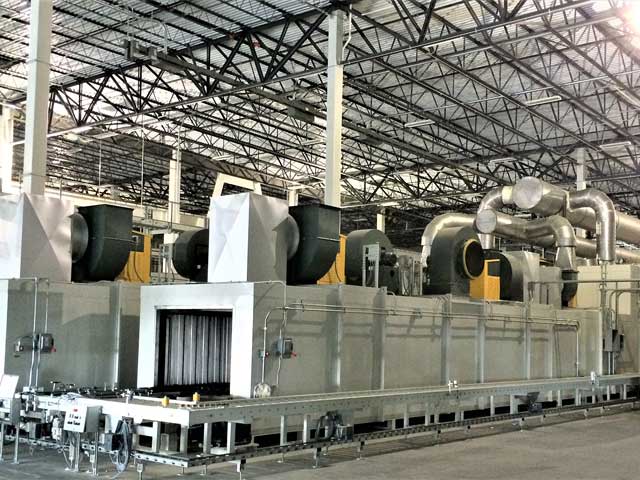
GEA is a global leader in food processing technology, including tunnel ovens. Their products are known for their innovative designs and custom solutions, catering to the specific needs of the bakery industry. GEA's extensive experience in the field allows them to offer comprehensive support and service, ensuring that their customers achieve optimal results.
AMF offers a range of tunnel ovens designed for high-speed baking. Their systems are equipped with advanced controls for precise temperature management, ensuring optimal baking conditions. AMF's commitment to quality and performance makes them a trusted partner for bakeries looking to enhance their production capabilities.
Vnatech specializes in industrial drying and baking ovens. Their tunnel ovens are designed for efficiency and reliability, making them suitable for various industrial applications. Vnatech's focus on automation and technology ensures that their ovens meet the demands of modern baking operations.
Den Boer provides modular tunnel ovens that offer flexibility and scalability. Their designs allow for easy installation and customization, catering to the evolving needs of bakeries. The modular approach enables bakeries to expand their operations without significant downtime, making it a practical choice for growing businesses.
Maharith Thermal is a leading manufacturer of continuous ovens in Vietnam. They focus on quality and innovation, providing customized solutions for various industries. Their tunnel ovens are known for durability and efficiency, making them a preferred choice among local bakers. The company emphasizes research and development, ensuring that their products meet the evolving needs of the market.
The bakery and biscuit market in Vietnam is entering a critical stage of rapid expansion and structural upgrading. With accelerating urbanization, a young population, and rising disposable incomes, baked snacks are shifting from seasonal or occasional treats to high-frequency, anytime consumption items. This transition fuels strong growth for biscuits, cookies, wafers, and other baked snacks across convenience stores, modern supermarkets, e-commerce platforms, and social media–driven channels. Vietnamese consumers show a high willingness to try new products, favor diverse flavors, portable packaging, and “ready-to-eat anywhere” snack formats. At the same time, increasing health awareness is driving demand for low-sugar, whole-grain, high-fiber, and sustainable formulations, enabling brands to differentiate through ingredient and recipe innovation.
On the industry side, Vietnam’s food processing sector is experiencing accelerated expansion toward large-scale and automated production. As local small- and medium-sized manufacturers aim to meet modern retail and export requirements, they seek more stable output, consistent product quality, and greater control over production costs. Under these conditions, tunnel ovens are becoming a crucial component of industrial bakery production. Compared with traditional batch ovens, tunnel ovens offer continuous production, uniform heat distribution, optimized energy performance, and flexible product switching. These advantages not only increase plant capacity and yield but also align with growing requirements for product consistency and food safety. For medium and large Vietnamese bakery brands, OEM/ODM processors, and factories undergoing expansion, tunnel ovens serve not only biscuit production but can also support baked snacks, cereal-based products, and even certain pet food processes—maximizing equipment utilization and return on investment.
Modern tunnel ovens are designed to minimize energy consumption while maximizing output. Features such as modulating burners and advanced insulation contribute to lower operational costs. Many manufacturers are now incorporating energy-saving technologies, such as heat recovery systems, which capture and reuse heat generated during the baking process.
Many manufacturers offer customizable tunnel ovens to meet specific production requirements. This includes adjustable temperature zones, conveyor speeds, and baking chamber sizes. Customization allows bakeries to optimize their processes for different products, enhancing overall efficiency and product quality.
Safety is paramount in industrial baking. Tunnel ovens often come equipped with automatic shut-off systems, gas leak detection, and other safety mechanisms to ensure safe operation. Manufacturers are increasingly focusing on incorporating advanced safety features to protect both the equipment and the operators.
Recent advancements in heating technologies, such as infrared and microwave heating, are revolutionizing the tunnel oven market. These technologies provide faster baking times and improved energy efficiency, allowing bakeries to produce high-quality products with reduced energy costs.
The integration of automation and sophisticated control systems in tunnel ovens enhances operational efficiency. Modern ovens can be equipped with sensors and software that monitor temperature, humidity, and baking times, allowing for precise control over the baking process. This level of automation reduces the need for manual intervention, minimizing the risk of human error.
As the industry moves towards more sustainable practices, many manufacturers are focusing on eco-friendly designs. This includes using recyclable materials, reducing emissions, and implementing energy-efficient technologies. Sustainable practices not only benefit the environment but also appeal to consumers who are increasingly conscious of their carbon footprint.
The Vietnamese baking industry is experiencing significant growth, driven by changing consumer preferences and an increase in disposable income. As urbanization continues to rise, more consumers are seeking convenient and high-quality baked products. This trend is reflected in the growing popularity of artisanal breads, pastries, and snacks, which are often produced using advanced baking technologies like tunnel ovens.
Vietnamese consumers are becoming more health-conscious, leading to a demand for healthier baked goods. This includes products made with whole grains, natural ingredients, and reduced sugar content. As a result, bakeries are adapting their offerings to meet these preferences, often utilizing tunnel ovens to ensure consistent quality and efficiency in production.
Tunnel ovens are increasingly being integrated into the broader food production landscape in Vietnam. As bakeries expand their operations to meet rising demand, the efficiency and scalability of tunnel ovens make them an attractive option. These ovens allow bakeries to produce large quantities of high-quality products while maintaining consistent baking results.
While the market for tunnel ovens in Vietnam is promising, manufacturers face challenges such as competition from imported products and the need for continuous innovation. However, there are also significant opportunities for growth, particularly in the development of energy-efficient and environmentally friendly ovens. Companies that can adapt to these trends and offer innovative solutions will likely succeed in the competitive landscape.
As the demand for baked goods continues to rise in Vietnam, the need for efficient and reliable baking solutions becomes increasingly important. Tunnel ovens are expected to play a significant role in meeting this demand. Manufacturers are likely to invest in research and development to create more advanced ovens that incorporate the latest technologies.
The Vietnamese baking industry is experiencing growth, driven by changing consumer preferences and an increase in disposable income. As more consumers seek high-quality baked products, bakeries are looking for ways to enhance their production capabilities. This trend is expected to drive the adoption of tunnel ovens, as they offer the efficiency and consistency needed to meet consumer demands.
Tunnel ovens play a crucial role in the baking industry, providing efficient and reliable solutions for high-volume production. The manufacturers and suppliers listed above represent the best in Vietnam, offering a range of products tailored to meet the diverse needs of bakers. With ongoing innovations and a focus on quality, these companies are well-positioned to support the growing demands of the baking industry.
1. What is the average cost of a tunnel oven in Vietnam?
The cost varies based on size and features, typically ranging from $10,000 to $100,000.
2. How do I choose the right tunnel oven for my bakery?
Consider factors such as production volume, product type, and available space.
3. What maintenance is required for tunnel ovens?
Regular cleaning, inspection of heating elements, and conveyor systems are essential for optimal performance.
4. Can tunnel ovens be used for products other than bread?
Yes, they are versatile and can be used for pastries, snacks, and other baked goods.
5. What are the energy-saving features of modern tunnel ovens?
Features include advanced insulation, modulating burners, and efficient airflow systems.


