
Views: 226 Author: WENVA machine Publish Time: 2025-11-06 Origin: Site
Content Menu
● Introduction to Gas Tunnel Ovens
>> Benefits of Gas Tunnel Ovens
● Top 10 Gas Tunnel Oven Manufacturers in China
>> 2. Foshan Shunde Aolibei Food Machinery Co., Ltd.
>> 3. Guangzhou Saisida Machinery Equipment Co., Ltd.
>> 5. Guangzhou Haosheng Food Machinery Co., Ltd.
>> 6. Sanxing Machinery (Shanghai) Co., Ltd.
>> 7. Zhuhai Sanmai Machinery Co., Ltd.
>> 8. Wuxi Xiangjing Machinery Co., Ltd.
>> 9. Guangzhou Bake Ou Machinery Equipment Co., Ltd.
>> 10. Shanghai Huge Industry Co., Ltd.
● Technological Advancements in Gas Tunnel Ovens
>> Automation
● Maintenance and Care for Gas Tunnel Ovens
>> Troubleshooting Common Issues
>> 1. What is a gas tunnel oven?
>> 2. What are the advantages of using gas tunnel ovens?
● Introduction to Gas Tunnel Ovens
>> Benefits of Gas Tunnel Ovens
● Top 10 Gas Tunnel Oven Manufacturers in China
>> 2. Foshan Shunde Aolibei Food Machinery Co., Ltd.
>> 3. Guangzhou Saisida Machinery Equipment Co., Ltd.
>> 5. Guangzhou Haosheng Food Machinery Co., Ltd.
>> 6. Sanxing Machinery (Shanghai) Co., Ltd.
>> 7. Zhuhai Sanmai Machinery Co., Ltd.
>> 8. Wuxi Xiangjing Machinery Co., Ltd.
>> 9. Guangzhou Bake Ou Machinery Equipment Co., Ltd.
>> 10. Shanghai Huge Industry Co., Ltd.
● Technological Advancements in Gas Tunnel Ovens
>> Automation
● Maintenance and Care for Gas Tunnel Ovens
>> Troubleshooting Common Issues
>> 1. What is a gas tunnel oven?
>> 2. What are the advantages of using gas tunnel ovens?
>> 3. How do I maintain a gas tunnel oven?
>> 4. Can gas tunnel ovens be customized?
>> 5. What industries use gas tunnel ovens?
>> 3. How do I maintain a gas tunnel oven?
>> 4. Can gas tunnel ovens be customized?
>> 5. What industries use gas tunnel ovens?
Gas tunnel ovens are essential in the food processing industry, particularly for baking and cooking various products efficiently. In this article, we will explore the top 10 gas tunnel oven manufacturers in China, highlighting their unique offerings, technological advancements, and contributions to the industry.
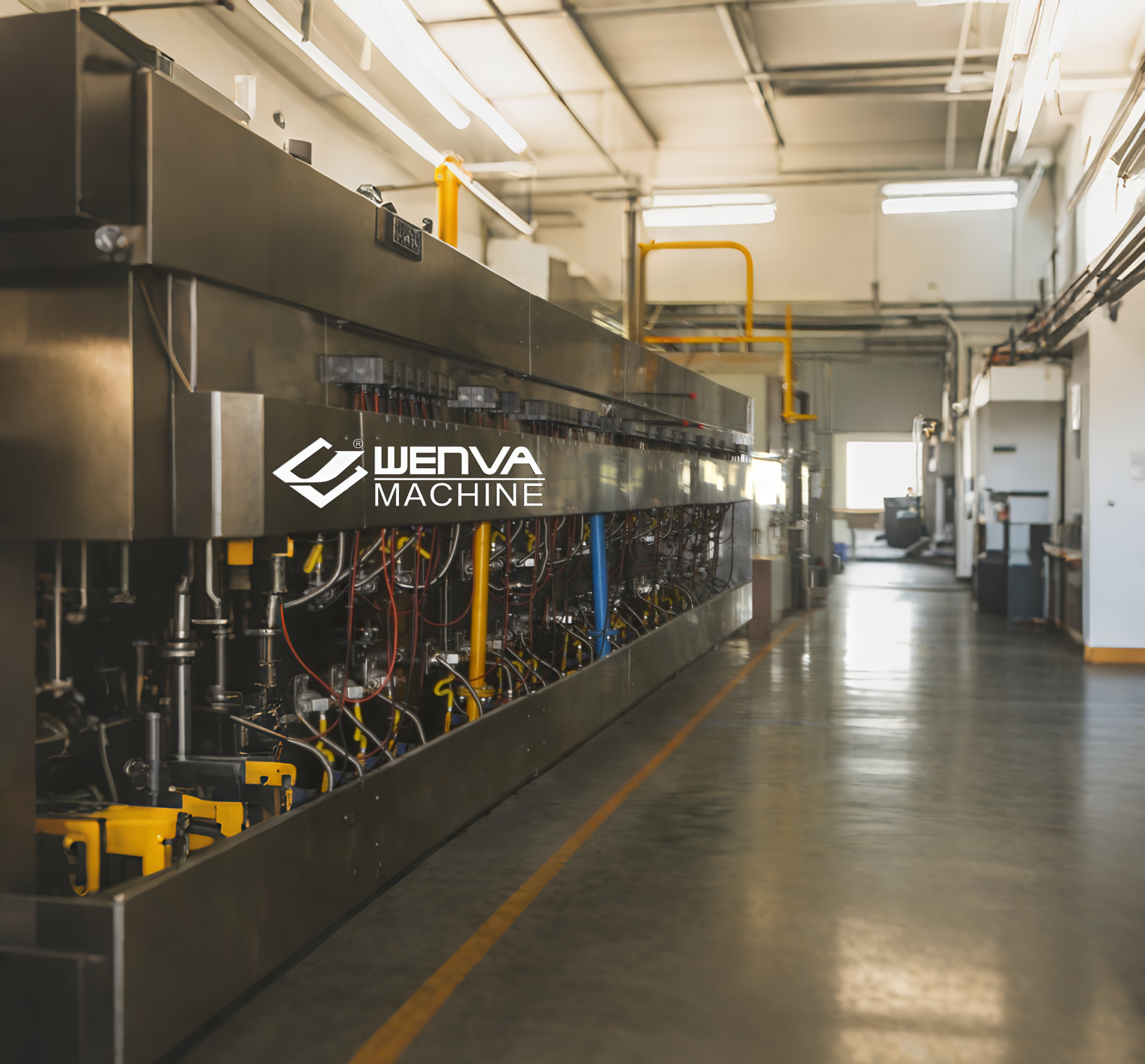
Gas tunnel ovens are designed for continuous cooking processes, utilizing gas as a fuel source. They are characterized by their long, narrow design, allowing products to be baked or cooked as they move through the oven on a conveyor belt. This method ensures even cooking and high efficiency, making them ideal for large-scale production.
Efficiency: Gas tunnel ovens provide rapid heating and consistent temperature control, which is crucial for high-volume production. The design allows for a continuous flow of products, minimizing downtime and maximizing output.
Energy Savings: Compared to electric ovens, gas ovens often have lower operational costs due to the efficiency of gas as a fuel source. This can lead to significant savings for businesses that rely on high-volume baking.
Versatility: These ovens can be used for a variety of products, including bread, pastries, and snacks. Their ability to handle different types of dough and baking processes makes them a valuable asset in any bakery or food processing facility.

WENVA is a leading manufacturer specializing in automated baking solutions. With over 40 years of experience, they focus on high-performance gas tunnel ovens that meet international standards. Their ovens are known for their durability and efficiency, making them a preferred choice for many food processing companies. WENVA's commitment to innovation ensures that their products incorporate the latest technology, providing users with reliable and efficient baking solutions.
Foshan Shunde Aolibei is renowned for producing high-quality tunnel ovens tailored to the baking industry. Their commitment to research and development ensures that their products are both innovative and energy-efficient. Aolibei's ovens are designed to withstand the rigors of industrial use while providing consistent results, making them a trusted partner for many bakeries and food manufacturers.
Guangzhou Saisida offers a range of industrial baking equipment, including gas tunnel ovens. Their products are designed for high efficiency and reliability, catering to various baking needs. Saisida's focus on customer satisfaction and product quality has established them as a reputable manufacturer in the industry.
Angel Yeast is not only a yeast manufacturer but also produces advanced baking equipment, including gas tunnel ovens. Their focus on quality and technology makes them a significant player in the industry. Angel Yeast's ovens are designed to optimize the baking process, ensuring that products are cooked evenly and efficiently.
Haosheng specializes in food processing machinery, including gas tunnel ovens. Their products are known for their robust construction and user-friendly operation. Haosheng's commitment to quality and innovation has made them a preferred choice for many food manufacturers looking for reliable baking solutions.
Sanxing Machinery provides a variety of baking solutions, including gas tunnel ovens. They emphasize quality and customer satisfaction in their manufacturing processes. Sanxing's ovens are designed to meet the demands of modern food production, offering features that enhance efficiency and performance.
Zhuhai Sanmai is recognized for its innovative designs in baking equipment. Their gas tunnel ovens are engineered for optimal performance and energy efficiency. Sanmai's focus on technological advancements ensures that their products remain competitive in the ever-evolving food processing industry.
Wuxi Xiangjing focuses on producing high-quality baking equipment, including gas tunnel ovens. Their commitment to technology and quality control sets them apart in the market. Wuxi Xiangjing's ovens are designed to provide consistent results, making them a reliable choice for large-scale baking operations.
Bake Ou specializes in bakery equipment, offering a range of gas tunnel ovens designed for various baking applications. Their products are known for their reliability and efficiency. Bake Ou's commitment to customer service and product quality has established them as a trusted name in the industry.
Shanghai Huge provides customized solutions for industrial baking needs, including gas tunnel ovens. Their focus on innovation and quality ensures that they meet the demands of modern food processing. Huge's ovens are designed to accommodate various production requirements, making them a versatile choice for food manufacturers.
Modern gas tunnel ovens are designed with energy efficiency in mind. Many manufacturers incorporate advanced insulation materials and PID temperature control systems to minimize energy consumption while maintaining optimal cooking temperatures. This not only reduces operational costs but also contributes to a more sustainable production process.
Automation is a key trend in the manufacturing of gas tunnel ovens. Many companies are integrating smart technology that allows for remote monitoring and control, enhancing operational efficiency and reducing labor costs. Automated systems can adjust cooking times and temperatures based on the specific requirements of different products, ensuring consistent quality.
Manufacturers are increasingly offering customizable solutions to meet specific production needs. This includes adjustable conveyor speeds, temperature zones, and oven sizes, allowing businesses to tailor their equipment to their unique processes. Customization options enable manufacturers to optimize their production lines for maximum efficiency and product quality.
The latest gas tunnel ovens come equipped with sophisticated control systems that allow for precise temperature management and monitoring. These systems can provide real-time data on oven performance, enabling operators to make informed decisions and adjustments as needed. This level of control is essential for maintaining product quality and consistency.
To ensure optimal performance, regular cleaning of gas tunnel ovens is essential. This includes removing any food residues and ensuring that the burners and conveyor belts are free from obstructions. A clean oven not only operates more efficiently but also helps prevent cross-contamination between different products.
Conducting routine inspections can help identify potential issues before they become significant problems. This includes checking gas connections, temperature controls, and overall oven functionality. Regular maintenance checks can extend the lifespan of the equipment and reduce the likelihood of unexpected breakdowns.
Engaging professional servicing for gas tunnel ovens can extend their lifespan and maintain efficiency. Regular maintenance checks by qualified technicians can prevent costly repairs and downtime. Many manufacturers offer service contracts that include routine inspections and maintenance, ensuring that the equipment remains in top condition.
Operators should be trained to troubleshoot common issues that may arise with gas tunnel ovens. This includes understanding how to adjust temperature settings, identify gas leaks, and resolve conveyor belt malfunctions. Having a knowledgeable team can significantly reduce downtime and improve overall productivity.
Gas tunnel ovens play a crucial role in the food processing industry, providing efficient and reliable cooking solutions. The manufacturers listed above are at the forefront of this technology, offering innovative products that meet the diverse needs of the market. As the industry continues to evolve, these companies are likely to lead the way in advancements and improvements in gas tunnel oven technology.
A gas tunnel oven is a type of industrial oven that uses gas as a fuel source to cook or bake products continuously as they move through the oven on a conveyor belt.
Gas tunnel ovens offer several advantages, including energy efficiency, rapid heating, and the ability to cook a variety of products evenly.
Content Menu
Regular cleaning, routine inspections, and professional servicing are essential for maintaining a gas tunnel oven's performance and longevity.
Yes, many manufacturers offer customizable options for gas tunnel ovens, allowing businesses to tailor the equipment to their specific production needs.
Gas tunnel ovens are commonly used in the baking, snack food, and confectionery industries, among others, for their efficiency and reliability in high-volume production.


