
Views: 229 Author: WENVA machine Publish Time: 2025-11-18 Origin: Site
Content Menu
● The Importance of Industrial Cookie Dough Mixers
>> Why Use an Industrial Cookie Dough Mixer?
>> Types of Industrial Cookie Dough Mixers
● Leading Industrial Cookie Dough Mixer Suppliers in China
>> 3. Henan Smile Technology Industrial Co., Ltd.
>> 4. Shanghai Panda Machinery Co., Ltd.
● Benefits of Sourcing from China
>> High Quality
● How to Choose the Right Industrial Cookie Dough Mixer
>> Consider Your Production Needs
● The Future of Industrial Cookie Dough Mixers
>> Automation and Smart Technology
>> Customization and Flexibility
>> 1. What types of industrial cookie dough mixers are available in China?
>> 2. How do I choose the right mixer for my bakery?
>> 3. Are Chinese industrial cookie dough mixers reliable?
>> 4. Can I customize an industrial cookie dough mixer?
>> 5. Where can I find industrial cookie dough mixers in China?
In the competitive world of baking, the efficiency and quality of dough preparation are crucial for success. Industrial cookie dough mixers are essential for bakeries and food manufacturers that produce cookies on a large scale. China has established itself as a leading supplier of these mixers, offering a diverse range of high-quality machines at competitive prices. This article delves into the various suppliers, types of mixers available, and the benefits of sourcing cookie dough mixers from China.
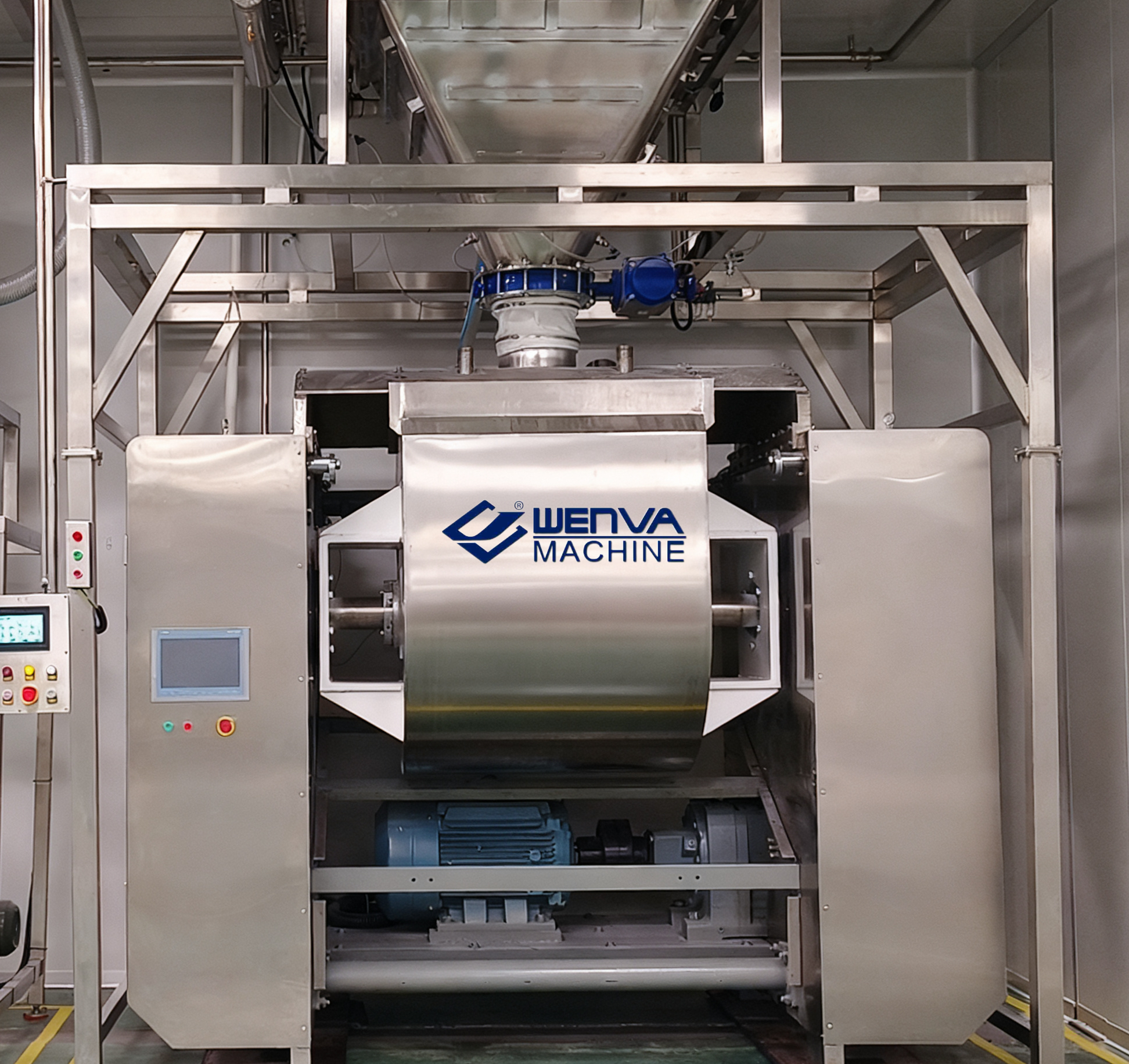
Industrial cookie dough mixers are designed to handle large volumes of dough efficiently. They ensure that ingredients are mixed uniformly, resulting in consistent dough quality. A reliable mixer can significantly enhance production speed and reduce labor costs, making it an essential investment for any bakery or food manufacturing operation. The ability to produce high-quality dough consistently can also lead to better end products, which is vital in maintaining customer satisfaction and loyalty.
1. Planetary Mixers: These mixers feature a rotating bowl and a mixing arm that moves in a planetary motion. They are ideal for small to medium-sized batches and are commonly used in artisan bakeries. Planetary mixers are versatile and can handle various types of dough, making them a popular choice for bakeries that produce different cookie varieties.
2. Spiral Mixers: Designed for heavy dough, spiral mixers have a unique spiral mixing arm that kneads the dough efficiently. They are perfect for large-scale production, allowing for the mixing of high-hydration doughs that require more intensive kneading. Spiral mixers are known for their ability to maintain the temperature of the dough, which is crucial for achieving the desired texture and consistency.
3. Horizontal Mixers: These mixers are suitable for mixing large quantities of dough. They have a horizontal mixing chamber and are often used in industrial settings where high volumes of dough are produced. Horizontal mixers are particularly effective for batch processing and can handle a variety of dough types, making them a versatile option for large bakeries.
4. Batch Mixers: These mixers are used for specific batches of dough and are ideal for bakeries that produce a variety of cookie types. They allow for quick changes between different recipes, making them versatile for seasonal or specialty cookie production. Batch mixers can be equipped with features that facilitate easy cleaning and maintenance, which is essential for maintaining hygiene standards in food production.
As a leading manufacturer of dough mixers, Wenva is dedicated to delivering high-performance, reliable industrial dough mixing solutions tailored to the diverse needs of the baking industry. We understand that whether you operate a small artisanal bakery or a large-scale food production facility, a high-quality mixer is essential for achieving consistent dough quality and maximizing operational efficiency. Wenva's industrial dough mixers feature robust construction, advanced mixing technology, and intelligent control systems, engineered to handle a wide range of dough types—from bread and pizza to pastries—with precision and consistency. By combining durability, energy efficiency, and user-friendly design, Wenva empowers bakeries to enhance productivity, maintain product excellence, and secure long-term success in a competitive market.

SINOBAKE is a prominent manufacturer of cookie dough mixers in China. They offer a range of mixers suitable for different production scales. Their products are known for their durability and efficiency. SINOBAKE focuses on innovation and customer satisfaction, ensuring that their mixers meet the evolving needs of the baking industry. Their mixers are designed with user-friendly controls and safety features, making them suitable for both experienced bakers and newcomers.
Henan Smile Technology offers a variety of industrial mixers, including those specifically designed for cookie dough. Their products are known for their advanced technology and user-friendly features, making them a popular choice among bakers. Smile Technology focuses on providing high-quality mixers that enhance productivity and ensure consistent results.
Shanghai Panda Machinery is recognized for its high-quality commercial dough mixer machines. They provide a range of mixers suitable for various baking applications, including cookies, bread, and pastries. Their commitment to quality and customer service has earned them a strong reputation in the industry. Panda Machinery's mixers are designed to be energy-efficient, helping bakeries reduce operational costs.
Yiren Machine specializes in industrial and commercial dough mixers that deliver efficient and consistent results. Their mixers are suitable for a wide range of products, including cookies, bread, and pizza dough. Yiren's focus on innovation and quality ensures that their mixers meet the demands of modern bakeries.
One of the main advantages of sourcing industrial cookie dough mixers from China is the competitive pricing. Chinese manufacturers often have lower production costs, allowing them to offer high-quality mixers at more affordable prices compared to suppliers in other countries. This cost-effectiveness is particularly beneficial for startups and small businesses looking to minimize their initial investment. The lower prices do not compromise quality, as many Chinese manufacturers adhere to strict quality control standards.
Chinese manufacturers have made significant advancements in technology and quality control. Many suppliers adhere to international standards, ensuring that their products are reliable and durable. The use of high-quality materials and modern manufacturing techniques contributes to the longevity and performance of the mixers. Additionally, many manufacturers invest in research and development to continuously improve their products, ensuring they remain competitive in the global market.
China offers a vast array of industrial cookie dough mixers, catering to different needs and production scales. Whether you need a small mixer for a bakery or a large industrial mixer, you can find suitable options. This variety allows businesses to select mixers that best fit their specific production requirements. Furthermore, many suppliers offer customization options, enabling businesses to tailor mixers to their unique needs.
Many Chinese suppliers offer customization options, allowing businesses to tailor mixers to their specific requirements. This flexibility can be crucial for companies with unique production processes. Custom features may include different mixing speeds, bowl sizes, and additional attachments for various dough types. This level of customization ensures that bakeries can optimize their production processes and achieve the desired results.
When selecting an industrial cookie dough mixer, consider the volume of dough you need to produce. For small bakeries, a planetary mixer may suffice, while larger operations might require a spiral or horizontal mixer. Understanding your production capacity will help you choose a mixer that can handle your workload efficiently. Additionally, consider the types of cookies you will be producing, as different mixers may be better suited for specific dough consistencies.
Look for mixers with features that enhance usability, such as easy-to-clean designs, adjustable speeds, and safety mechanisms. These features can significantly improve the efficiency of your production process. Additionally, consider mixers with built-in timers and automatic shut-off functions for added convenience. A user-friendly interface can also make it easier for staff to operate the mixer, reducing the likelihood of errors during production.
Research the supplier's reputation by reading reviews and testimonials. A reliable supplier will have a track record of delivering quality products and excellent customer service. Engaging with other businesses that have sourced equipment from the same supplier can provide valuable insights into their reliability and support. Additionally, consider reaching out to the supplier directly to ask questions about their products and services.
Inquire about the warranty periods offered by suppliers. A good warranty can provide peace of mind and protect your investment. Additionally, check if the supplier offers after-sales support, including maintenance services and spare parts availability. A supplier that provides comprehensive support can help ensure that your mixer remains in good working condition for years to come.
As the baking industry continues to evolve, so too will the technology behind industrial cookie dough mixers. Innovations such as automation, IoT integration, and energy-efficient designs are becoming increasingly important. Suppliers in China are at the forefront of these developments, continually improving their products to meet the demands of modern bakeries.
The integration of automation in industrial cookie dough mixers can streamline production processes, reduce labor costs, and enhance consistency. Smart mixers equipped with sensors can monitor dough consistency and adjust mixing times automatically, ensuring optimal results every time. This technology not only improves efficiency but also allows bakers to focus on other aspects of production, such as recipe development and quality control.
With growing concerns about energy consumption, manufacturers are focusing on creating more energy-efficient mixers. These machines not only reduce operational costs but also align with sustainability goals, making them an attractive option for environmentally conscious businesses. Energy-efficient mixers can help bakeries lower their carbon footprint while maintaining high production standards.
As consumer preferences shift towards personalized products, the demand for customizable industrial cookie dough mixers is likely to increase. Suppliers that can offer flexible solutions will be better positioned to meet the needs of bakeries producing a diverse range of cookie types. This trend towards customization allows bakeries to differentiate themselves in a competitive market, catering to specific customer preferences and dietary requirements.
Sourcing industrial cookie dough mixers from China offers numerous advantages, including competitive pricing, high quality, and a wide variety of options. By choosing the right supplier and mixer type, businesses can enhance their production efficiency and product quality. As the industry continues to innovate, staying informed about the latest trends and technologies will be essential for bakeries looking to maintain a competitive edge.
There are several types, including planetary mixers, spiral mixers, horizontal mixers, and batch mixers, each suited for different production needs.
Consider your production volume, the type of dough you will be mixing, and the features that will enhance usability and efficiency.
Yes, many Chinese manufacturers adhere to international quality standards, ensuring their mixers are reliable and durable.
Many suppliers in China offer customization options to meet specific production requirements.
You can find a variety of industrial cookie dough mixers on platforms like Alibaba or directly from manufacturers like SINOBAKE and Zhengzhou Meijin.


