
Views: 222 Author: Sara Publish Time: 2025-05-07 Origin: Site
Content Menu
● Understanding Bakery Equipment for Biscuit and Cookie Production
>> What Is a Biscuit and Cookie Production Line?
>> Key Components of a Biscuit Production Line
● How to Choose the Right Bakery Equipment for Your Bakery in Victoria
>> 1. Assess Your Production Needs
>> 2. Consider Space and Layout
>> 3. Prioritize Safety and Hygiene
>> 4. Evaluate Energy Efficiency and Operating Costs
>> 5. Look for Automation and User-Friendly Controls
>> 6. After-Sales Support and Customization
● Essential Bakery Equipment for a Successful Biscuit and Cookie Bakery
>> Mixers
>> Ovens
>> Cooling and Packaging Systems
● Additional Considerations for Bakery Equipment Purchase in Victoria
>> Local Regulations and Standards
>> Supplier Reputation and Reviews
● Frequently Asked Questions (FAQ)
>> 1. What types of biscuits can be produced with a biscuit production line?
>> 2. How much space is required for a biscuit production line?
>> 3. What safety features should I look for in bakery equipment?
>> 4. Can I produce multiple biscuit varieties on one production line?
>> 5. What kind of after-sales support is typically offered by biscuit production line manufacturers?
Starting or upgrading a bakery in Victoria requires careful selection of bakery equipment to ensure efficiency, product quality, and profitability. For bakeries specializing in biscuits and cookies, choosing the right biscuit and cookie production line machinery is critical. As a leading Chinese manufacturer of biscuit and cookie production line machines, we provide comprehensive solutions tailored to the needs of overseas biscuit and cookie producers. This article will guide you through the essential considerations when selecting bakery equipment for sale in Victoria, focusing on biscuit and cookie production lines, and will include useful visuals and videos to illustrate the process.

A biscuit and cookie production line is a series of interconnected machines designed to automate the entire process from dough mixing to packaging. This includes dough mixers, dough forming machines, tunnel ovens, cooling systems, and packaging units. These lines can produce various types of biscuits, including hard biscuits, soft biscuits, sandwich biscuits, and crackers, with capacities ranging from hundreds to thousands of kilograms per hour.
The automation of biscuit production lines not only increases production capacity but also ensures consistency in product quality. This is essential for bakeries looking to expand their market reach in Victoria and beyond.
- Dough Mixer: Combines ingredients like flour, sugar, eggs, and butter into a uniform dough. Different types of mixers such as spiral mixers or planetary mixers are selected depending on the dough type and production scale.
- Dough Forming Machine: Shapes the dough into desired biscuit or cookie forms using molds or cutters. This machine can be equipped with interchangeable molds to produce a variety of biscuit shapes and sizes.
- Tunnel Oven: Bakes the shaped dough with precise temperature control to ensure consistent quality. Modern tunnel ovens feature multiple temperature zones and energy-saving technology.
- Cooling System: Cools the baked products to maintain shape and texture before packaging. Cooling conveyors help prevent breakage and maintain product crispness.
- Packaging Unit: Packs the biscuits or cookies to preserve freshness and facilitate distribution. Packaging machines range from simple bagging systems to fully automated flow wrappers.
Before purchasing bakery equipment, it is essential to evaluate your production goals:
- Volume: Determine your daily or hourly production targets. Biscuit production lines can range from small-scale (around 390 kg/hour) to large-scale (up to 2000 kg/hour or more). Choosing the right capacity ensures you meet market demand without over-investing.
- Product Variety: Decide if you want to produce multiple biscuit types (hard, soft, sandwich) or specialize in one. Machines with interchangeable molds and adjustable settings offer flexibility to diversify your product range.
- Growth Plans: Consider future expansion. Investing in modular equipment allows you to scale up production as your business grows.
- Available Space: Evaluate the physical space in your bakery. Some production lines require significant floor space, while others are designed to be compact.
- Workflow Efficiency: Plan the layout to optimize the flow of raw materials and finished products. Proper layout reduces handling time and increases productivity.
- Custom Designs: Many manufacturers offer customized plant layouts to fit your specific space constraints and operational requirements.
Food safety is paramount in bakery production:
- Material Quality: Choose equipment made from food-grade stainless steel to prevent contamination and facilitate cleaning.
- Hygienic Design: Equipment should be designed for easy cleaning and maintenance, with minimal crevices where food residue can accumulate.
- Safety Features: Look for machines with safety guards, emergency stop buttons, and sensors to protect operators.
- Compliance: Ensure the equipment meets local and international food safety standards such as HACCP.
- Energy Consumption: Modern bakery equipment often includes energy-saving features like efficient tunnel ovens and frequency control drives.
- Power Source: Consider the type of power supply available (electricity, natural gas, or liquid gas) and select equipment accordingly.
- Maintenance Costs: Choose machines with durable components and easy access for maintenance to reduce downtime and repair expenses.
- Automation Benefits: Automated equipment reduces labor costs and improves product consistency, which can offset initial investment costs.
- PLC Touch Screens: Programmable Logic Controllers with touch screen interfaces simplify operation and allow operators to monitor and adjust processes easily.
- Memory Functions: Automated lines can store production recipes and settings, ensuring repeatability and reducing errors.
- Remote Monitoring: Some advanced machines offer remote monitoring and diagnostics, enabling proactive maintenance.
- Training: Select equipment suppliers that provide comprehensive training for your staff to maximize the benefits of automation.
- Technical Support: Reliable after-sales service is crucial for troubleshooting and maintenance.
- Installation and Commissioning: Professional installation ensures the equipment operates at peak performance from day one.
- Customization: Tailored solutions such as specific product molds, capacity adjustments, and plant design help meet your unique business needs.
- Spare Parts Availability: Ensure easy access to spare parts to minimize downtime.

- Spiral Mixers: Ideal for heavy doughs like cookie dough, providing thorough mixing without overheating.
- Planetary Mixers: Suitable for lighter doughs and batters, offering versatility for different recipes.
- Efficient mixing ensures dough consistency, crucial for product quality and uniformity.
- Tunnel Ovens: Preferred for continuous baking with adjustable temperature zones, ensuring even baking and high throughput.
- Deck Ovens: Suitable for batch baking with precise heat control, often used for specialty biscuits.
- Energy-efficient designs reduce operating costs and improve baking uniformity.
- Equipped with interchangeable molds for diverse biscuit shapes.
- Roller cutters and rotary molders provide precise shaping.
- Some machines offer multi-layer forming for sandwich biscuits.
- Cooling conveyors prevent breakage and maintain crispness.
- Packaging machines vary from simple bagging to complex wrapping systems, preserving freshness and extending shelf life.
- Automated packaging solutions improve efficiency and product presentation.
- Ensure the bakery equipment complies with Australian food safety and workplace safety regulations.
- Certification from recognized bodies can facilitate smoother approval and inspection processes.
- Choose suppliers with a proven track record in delivering reliable bakery equipment.
- Customer testimonials and case studies provide insights into equipment performance and supplier reliability.
- While budget constraints are important, prioritize quality and durability to avoid frequent breakdowns and costly repairs.
- Investing in high-quality bakery equipment can lead to long-term savings and better product quality.
- Consider eco-friendly equipment options that reduce waste and energy consumption.
- Sustainable practices can enhance your bakery's brand image and appeal to environmentally conscious consumers.
Choosing the right bakery equipment for your biscuit and cookie bakery in Victoria is a strategic decision that impacts product quality, production efficiency, and business success. By assessing your production needs, space constraints, safety requirements, and budget, you can select a biscuit production line that delivers consistent, high-quality products. Our Chinese manufacturing expertise offers versatile, safe, and energy-efficient biscuit and cookie production lines, backed by comprehensive support and customization options. Incorporating advanced automation and user-friendly controls will further enhance your bakery's productivity and profitability.
Investing in the right bakery equipment not only streamlines your production process but also positions your bakery to meet growing market demands with innovative and delicious products. Whether you are starting a new bakery or expanding an existing one, selecting the appropriate bakery equipment for sale in Victoria is the first step toward success.
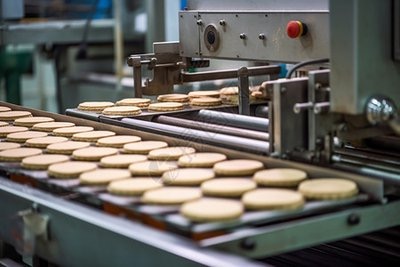
A biscuit production line can manufacture various types of biscuits including soft biscuits, hard biscuits, sandwich biscuits, crackers, and specialty biscuits by changing molds and adjusting formulas.
Space requirements vary depending on production capacity and equipment size. Custom plant layouts can optimize space usage. Typically, a medium-scale line needs a sizeable workshop area to accommodate mixers, ovens, conveyors, and packaging units.
Look for HACCP-compliant designs, food-grade materials, anti-explosion ovens, air leakage alarms, and user-friendly controls to ensure operator safety and product hygiene.
Yes, by using interchangeable molds and adjustable settings, a single production line can produce a range of biscuit types, enhancing product diversity and market competitiveness.
Manufacturers often provide installation, commissioning, operator training, maintenance, technical support, and customized plant design services to ensure smooth operation and maximize equipment lifespan.


