Views: 222 Author: Sara Publish Time: 2025-03-09 Origin: Site
Content Menu
● Introduction to Used Bakery Equipment
>> Key Considerations for Buying Used Bakery Equipment
● Suppliers of Used Bakery Equipment in Denver
>> Route 66 Restaurant Equipment
● Types of Used Bakery Equipment Available
● Best Practices for Purchasing Used Bakery Equipment
● Global Bakery Equipment Market
● Case Study: Successful Bakery Startups
● Environmental Considerations
>> 1. What are the benefits of buying used bakery equipment?
>> 2. How do I ensure the quality of used bakery equipment?
>> 3. What types of used bakery equipment are commonly available?
>> 4. Can I customize or upgrade used bakery equipment?
>> 5. How do I maintain used bakery equipment to extend its lifespan?
As a factory specializing in cookie and biscuit production line machinery in China, we understand the importance of acquiring high-quality used bakery equipment for efficient production. This article will guide you through the process of purchasing reliable used bakery equipment in Denver, Colorado, highlighting key considerations and suppliers.

Used bakery equipment can significantly reduce startup costs for bakeries and food production facilities. Denver offers a variety of suppliers that provide meticulously restored and tested equipment, ensuring quality and reliability. The city's vibrant food scene and numerous bakeries contribute to a thriving market for both new and used bakery equipment.
1. Condition and Age: Ensure the equipment is in good working condition and not too old. Older equipment might require more maintenance and repairs.
2. Supplier Reputation: Choose suppliers with good customer reviews and a history of providing quality equipment.
3. Warranty and Support: Look for suppliers that offer warranties or support services for the equipment. This can provide peace of mind and reduce future costs.
City Food Equipment is a leading supplier of used restaurant and bakery equipment in Denver. They offer a wide range of products, including commercial cooking equipment, refrigeration units, and food preparation tools. Their team has extensive experience in the industry, ensuring that all equipment is thoroughly inspected and restored. City Food Equipment also provides installation services, making it easier for new businesses to get started quickly.
Located in Longmont, near Denver, Route 66 Restaurant Equipment provides a vast selection of used equipment. Their showroom features everything from ice machines to walk-in freezers, and they offer personalized service to help customers find the right equipment. Route 66 is known for its competitive pricing and flexible financing options, making it accessible to businesses of all sizes.
- Mixers and Sheeters: Essential for dough preparation, these machines help in mixing ingredients and rolling out dough to the desired thickness.
- Ovens and Toasting Equipment: For baking and toasting bread and pastries, these are crucial for achieving the perfect texture and flavor.
- Dough Rounders and Slicers: For efficient dough handling and slicing, these tools streamline the production process and ensure consistency.
1. Research Suppliers: Look for reviews and testimonials from previous customers. Check online forums and social media for feedback on the supplier's reliability and customer service.
2. Inspect Equipment: Ensure the equipment is in good condition before purchasing. Check for any signs of wear or damage that could affect performance.
3. Consider Longevity: Calculate the remaining lifespan of the equipment. This will help you determine if it's worth the investment and if it will meet your long-term needs.
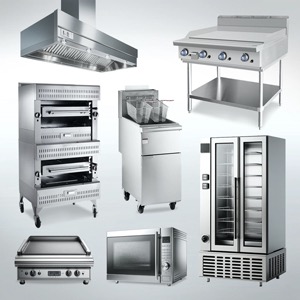
The global bakery equipment market offers a wide range of options, from manual to fully automated production lines. Companies like Industrial Bakery Line specialize in designing and installing state-of-the-art bakery machinery worldwide. These advanced systems can significantly increase production capacity while maintaining product quality.
Several bakeries in Denver have successfully launched using used bakery equipment. For instance, a local artisanal bakery started with a used mixer and oven from City Food Equipment. By focusing on quality ingredients and efficient production, they were able to quickly establish a loyal customer base.
Regular maintenance is crucial for extending the lifespan of used bakery equipment. This includes routine cleaning, lubrication of moving parts, and scheduled checks for wear and tear. Additionally, many pieces of equipment can be upgraded with modern components to improve efficiency and performance. However, it's important to consult with the supplier or a professional to ensure compatibility and safety.
When purchasing used bakery equipment, consider the environmental impact. Older equipment might be less energy-efficient compared to newer models. However, many suppliers now offer refurbished equipment with energy-saving features, making it possible to reduce your carbon footprint while saving on utility bills.
Purchasing used bakery equipment in Denver can be a cost-effective way to enhance your production capabilities. By focusing on reputable suppliers like City Food Equipment and Route 66 Restaurant Equipment, and following best practices for buying used equipment, you can ensure that your bakery operates efficiently and effectively. Whether you're starting a new business or expanding an existing one, used bakery equipment can provide the necessary tools to succeed in the competitive bakery industry.

Buying used bakery equipment can significantly reduce startup costs while still providing reliable performance. It allows bakeries to allocate resources to other areas of their business, such as marketing or product development.
Ensure the equipment is from a reputable supplier and has been thoroughly inspected and tested. Look for warranties or support services offered by the supplier. This can provide peace of mind and reduce future maintenance costs.
Commonly available used bakery equipment includes mixers, sheeters, ovens, dough rounders, and slicers. These are essential for various stages of bread and pastry production, from dough preparation to baking.
Yes, many used bakery equipment pieces can be customized or upgraded. However, it's important to consult with the supplier or a professional to ensure compatibility and safety. Upgrades can improve efficiency and extend the lifespan of the equipment.
Regular cleaning, lubrication, and scheduled maintenance checks are crucial for extending the lifespan of used bakery equipment. Always follow the manufacturer's maintenance guidelines and consider routine inspections by a professional to identify any potential issues early.
[1] https://www.cityfoodequipment.com/pages/new-used-restaurant-equipment-denver
[2] https://blog.bakesmart.com/best-practices-buying-used-bakery-equipment/
[3] https://www.route66restequip.com/used-equipment
[4] https://www.aaronequipment.com/usedequipment/bakery-equipment/bakery-equipment
[5] https://www.bakeryline.com/video/
[6] https://www.made-in-china.com/products-search/hot-china-products/Bakery_Equipment_For_Sale.html
[7] https://cwrresources.com/product-category/used-food-processing-equipment/bakery-equipment/
[8] https://www.youtube.com/watch?v=u2tqG_iWAq4
[9] https://www.youtube.com/watch?v=2Qm_iHgFsPw
[10] https://www.youtube.com/watch?v=vuI4Y6d0Dp8
[11] https://www.reddit.com/r/Denver/comments/wfr2dd/best_used_commercial_kitchen_equipment_store/
[12] https://therestaurantwarehouse.com/pages/denver-restaurant-equipment
[13] https://qualityrequipment.com
[14] https://www.sigmaequipment.com/equipment/category/bakery-equipment/
[15] https://www.webstaurantstore.com/44023/bakery-equipment.html
[16] https://www.harvestbakeryequipment.com/products/used-bakery-equipment/
[17] https://www.bakeryequipment.net
[18] https://erikarecord.com/used-bakery-equipment/
[19] https://www.litsupply.com/blog/5-tips-for-buying-used-restaurant-equipment/
[20] https://pristinerestaurantequipmentco.com
[21] https://www.kmcsales.com/2023/01/12/7-things-to-look-for-when-buying-used-restaurant-equipment/
[22] https://www.reddit.com/r/restaurantowners/comments/1965z98/what_is_your_experience_with_purchasing_used/
This step-by-step guide shows how to start a biscuit factory in Southeast Asia, Africa & South America. Covers market research, licenses, factory location, equipment selection (complete production lines), raw materials, hiring, quality control, distribution, and startup costs ($107K-$261K). Includes common mistakes to avoid.
This article explains how to select a profitable biscuit production line by focusing on real operational factors such as capacity planning, equipment configuration, and hidden costs. It also provides a practical ROI model based on a 4-ton/day line to help investors evaluate returns and make informed decisions.
In modern biscuit manufacturing, a tunnel oven is far more than a simple heating device—it is a core system that determines final product quality.Through multi-zone precise temperature control, adjustable top and bottom heat ratios, optimized hot air circulation design, and intelligent temperature management systems, modern tunnel ovens significantly improve baking consistency and production stability.For food manufacturers, selecting a tunnel oven with stable performance and precise temperature control is a crucial step toward achieving both high product quality and efficient production.As market demands for product quality and manufacturing efficiency continue to increase, tunnel oven technology will continue to evolve toward higher precision and greater automation, providing more reliable solutions for the industrial baking industry.
This article analyzes the industrial production of Toaster Pastry using a modern Double Layered Biscuit production line. It explores product structure, filling deposition technology, lamination control, tunnel oven baking strategy, and automation upgrades. The solution improves efficiency, structural stability, and product consistency, helping manufacturers enter high-value filled bakery markets.
Abstract In modern biscuit production, the double-layered sheet biscuit production line, with its innovative structure and efficient production process, has become a key piece of equipment for improving production efficiency and product quality. Compared to traditional single-layered biscuits, double-layered sheet biscuits offer a richer and more multi-layered texture, giving consumers new choices in biscuit types. Based on the ideas and concepts of double-layered sheet biscuits, Wenva Machinery, in collaboration with our clients, has incorporated new technologies and ideas into its traditional shortbread and chewy biscuit production line, developing a double-layered sheet biscuit production line. This article aims to introduce in detail the working principle, technical advantages, and significant benefits of the double-layered sheet biscuit production line in terms of product taste, appearance, and packaging efficiency. The article also discusses the equipment's automation control, en
This article discusses common tunnel oven problems encountered in biscuit production, including inconsistent baking, underbaked products, and equipment malfunctions. It provides insights into the causes of these issues and offers practical solutions to avoid them. Best practices for tunnel oven operation, such as regular training and maintenance, are also highlighted to ensure efficient and high-quality biscuit production.
In industrial baking production, the tunnel oven length and its temperature zone structure are key technical factors that determine baking quality. A properly designed oven length directly affects the product’s residence time inside the oven, while multi-zone temperature control ensures stable heat distribution and proper product structure formation. Based on tunnel oven operating principles, this article systematically analyzes the relationship between oven length and baking time, the mechanisms of multi-zone temperature control, and the suitability of different tunnel oven structures for various baked products, providing technical guidance for food factories seeking to optimize baking quality.
This article explores custom tunnel oven solutions for biscuit and snack manufacturers, highlighting their efficiency, quality consistency, and flexibility. It discusses the functionality, benefits, and key features of tunnel ovens, as well as their applications in various snack production. The article concludes with guidance on selecting the right oven and answers to common questions.
Choosing the right tunnel oven for biscuit production is a strategic decision that affects capacity utilization, factory layout efficiency, and long-term return on investment. This article explains how to select an industrial baking oven by analyzing the relationship between capacity and oven length, factory layout considerations, and the balance between initial investment and long-term ROI.
The heating system is a critical component of an industrial tunnel oven, directly affecting baking performance, energy efficiency, and operating costs. This article explains how gas and electric tunnel oven heating systems work, compares their energy consumption and maintenance requirements, and analyzes their suitability in different countries and regions, helping manufacturers choose the right tunnel oven solution.
A tunnel oven plays a critical role in modern biscuit production by enabling continuous and stable baking. This article explains how a biscuit tunnel oven works, focusing on its continuous baking principle, temperature zone design, heat transfer methods, and process advantages. It also introduces Wenva Machine’s tunnel oven solutions for industrial biscuit production lines.
This article explores global pretzel biscuit market trends, consumer demand drivers, OEM and private label opportunities, and key considerations for building pretzel biscuit production lines, helping snack manufacturers evaluate market entry and long-term growth strategies.
This article compares automatic pretzel biscuit machines and semi-automatic biscuit machines in terms of labor cost, efficiency, and ROI. It helps startup and established factories choose the right equipment based on production scale, budget, and long-term profitability.
This article explains gas, electric, and diesel tunnel ovens for pretzel biscuits, comparing energy consumption, maintenance, and suitable markets. It highlights why customizable oven length is essential for stable baking, consistent color, and efficient pretzel biscuit production.
This article explains how to choose the right pretzel biscuit production line by analyzing capacity, factory layout, equipment configuration, and ROI. It helps manufacturers select a pretzel biscuit making machine that delivers stable production and long-term profitability.
This article explains how a pretzel biscuit machine works by detailing the complete pretzel biscuit production process, including mixing, forming, alkaline dipping, baking, and cooling. It helps manufacturers understand equipment functions and achieve stable, industrial-scale pretzel biscuit production.
This article explains how to choose the right pretzel biscuit production line by analyzing equipment configuration, automation level, and ROI. It helps manufacturers match production capacity, reduce labor costs, and achieve stable, long-term profitability in pretzel biscuit manufacturing.
Uniform coloring in pretzel biscuits is not achieved by adjusting a single parameter. It is the result of a **well-coordinated system** that includes the alkaline solution tank, press rollers, idler rollers, conveyor belts, and baking oven.By investing in a properly engineered alkaline dipping system, manufacturers can eliminate color inconsistency, stabilize product quality, and enhance the market competitiveness of their pretzel biscuits.
Producing Danish butter cookies at scale is a system challenge rather than a recipe issue. This article analyzes three critical production stages—mixing stability, forming precision, and baking control—using a problem-to-solution approach. It explains why high-butter cookies demand specialized equipment and coordinated process design to achieve consistent appearance, texture, and long-term production stability.
This article provides a comprehensive analysis of industrial double-layer biscuit production lines, covering process flow, key equipment functions, and selection principles. It also compares integrated and modular solution approaches and offers guidance for manufacturers at different development stages, supporting stable and efficient production planning.