
Views: 222 Author: Wenva Machine Publish Time: 2026-05-11 Origin: Site
An automatic dough mixer dramatically improves dough quality by delivering consistent mixing, stronger gluten development, and stable production—especially when it is integrated into a fully automated biscuit production line from a specialist like Wenva Machine. [wenvamachine]
For bakeries and biscuit manufacturers, achieving reliable dough quality batch after batch is no longer optional—it is the foundation of brand reputation and profitability. As an equipment specialist with 40 years of experience in automated biscuit production lines, Wenva Machine has seen how a well‑designed automatic dough mixer can transform not just dough quality, but the entire production workflow. [magazinebbm]
In this article, I will walk you through how automatic dough mixers improve dough quality from a practitioner's and industry expert's perspective, and how they fit into a modern automated biscuit line. We will also touch on the latest trends in dough mixing technology, practical operating tips, and what to look for when specifying mixers for a new or upgraded production line. [linkedin]
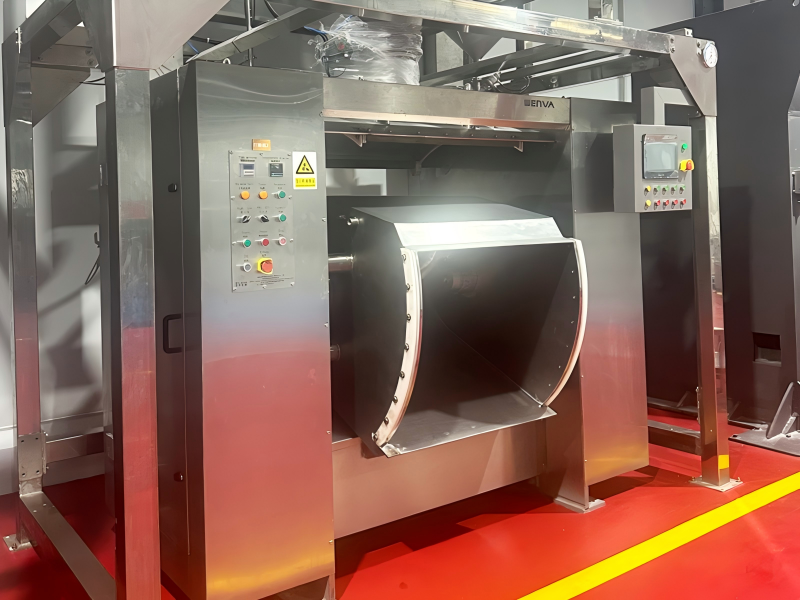
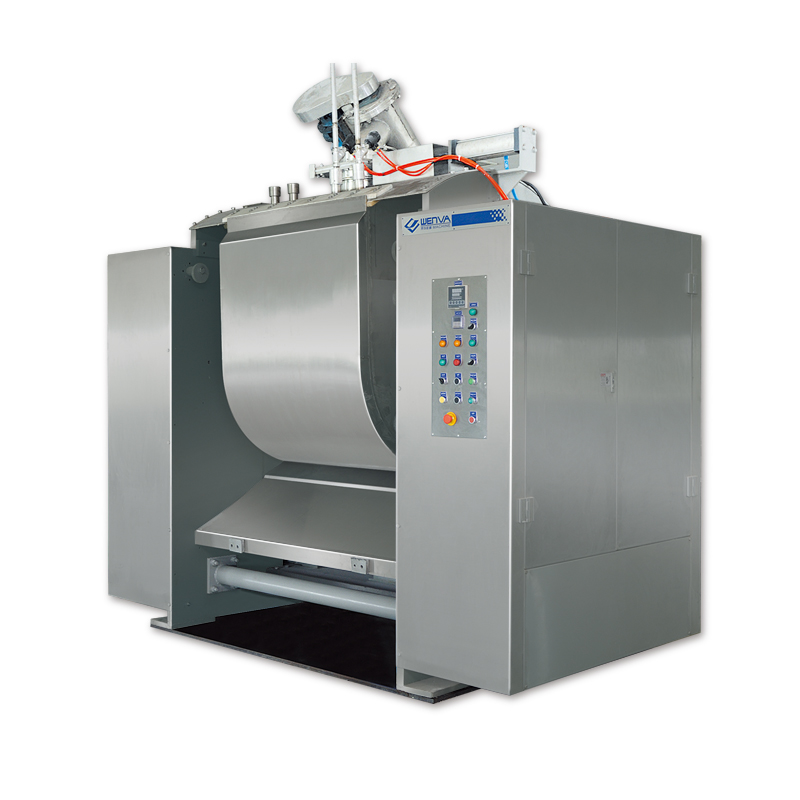
In a biscuit production environment, an automatic dough mixer is a programmable industrial mixer that combines flour, water, fat, sugar, and minor ingredients under controlled time, speed, and temperature to create a stable dough for sheeting and forming. Unlike simple planetary mixers, industrial dough mixers for biscuit lines are engineered to integrate with upstream ingredient handling and downstream sheeting, forming, and baking equipment. [cwbakemech]
From an engineer's point of view, a mixer is no longer an isolated machine—it is a data and process node inside your automated biscuit production line. When mixer parameters are repeatable and transparent, you can standardize dough behavior at the sheeter, cutter, and oven, and that is where real quality and efficiency gains emerge. [cwbakemech]
One of the most tangible benefits of automatic dough mixers is consistency. Manual or semi‑manual mixing often produces variations in dough texture because mixing time, speed, and operator technique change from batch to batch. With an automatic mixer, you can define precise mixing profiles—time, speed, and sequence—so every batch receives the same mechanical energy and mixing path. [cnhaiou]
This leads to: [cnhaiou]
- More uniform hydration of flour and other dry ingredients
- Even distribution of fat, sugar, salt, and chemical leavening
- Fewer "dry pockets" and unincorporated lumps
- Stable dough rheology for sheeting and cutting
In a commercial setting, that level of uniformity directly translates into fewer rejects, tighter weight control, and a more stable baking curve in the oven. [magazinebbm]
Gluten development is at the heart of dough quality, even in products like crackers and hard biscuits where a controlled gluten structure is essential for texture and snap. Automatic mixers apply the right amount of work to the dough, promoting gluten alignment while avoiding over‑kneading that would create tough, shrink‑prone dough. [cwbakemech]
From an operator's standpoint, programmable kneading modes and adjustable speeds allow you to tune: [shinelongkitchen]
- Intensity – How aggressively the dough is worked
- Duration – How long the dough is stressed and stretched
- Rest cycles – Intermittent pauses that help gluten relax and stabilize
Advanced industrial systems go further with built‑in temperature monitoring and control. Because dough temperature affects both gluten elasticity and yeast activity, maintaining an optimal range during mixing improves dough strength, gas retention, and final texture. [magazinebbm]
In high‑output biscuit factories, energy input during mixing is one of the most overlooked variables affecting dough quality. Friction in the mixing bowl raises dough temperature; if this rise is not controlled, dough can become sticky, weak, and difficult to sheet. [abpatlas.com]
Modern automatic mixers solve this with: [abpatlas.com]
- Real‑time torque and temperature monitoring
- Water jacketed bowls or chilled water dosing to offset heat
- Programmable alarms when dough exceeds a specified temperature
By controlling both mechanical energy and heat, you maintain dough properties within a narrow, predictable window, which is critical when you run multiple production shifts in warm climates. [abpatlas.com]
From a production manager's perspective, an industrial dough mixer is a throughput lever. Compared with manual kneading, automatic mixers dramatically cut mixing time and can handle much larger batch sizes. Industry reports indicate that bakeries implementing automated kneading machines can reduce manual labor by up to 40% while increasing output by around 25%. [cnhaiou]
For biscuit lines, these gains show up as: [wenvamachine]
- Faster changeovers between recipes
- Fewer bottlenecks before the dough sheeter
- More stable oven loading and continuous baking
This is especially important when demand is volatile or when the same line needs to produce multiple biscuit varieties in one day. [cwbakemech]
Manual dough handling is physically demanding and can be a source of workplace injuries and staff turnover. Automatic mixers remove the need for prolonged heavy kneading and large‑volume manual lifting, allowing operators to focus on supervision and quality checks instead of repetitive physical work. [cnhaiou]
For owners and plant managers, that means: [cnhaiou]
- Lower risk of musculoskeletal injuries
- Easier training and onboarding for new staff
- More predictable labor planning and costs
In a 24/7 biscuit facility, reducing dependence on individual operator strength or technique is not only a quality decision but a long‑term HR strategy. [magazinebbm]
Automatic dough mixers used in biscuit production must handle a diverse mix portfolio—from low‑fat hard cracker doughs to high‑fat sandwich biscuit doughs. Modern mixers allow you to pre‑set profiles for each recipe, combining different speeds, times, and ingredient‑addition steps. [shinelongkitchen]
Typical flexibility benefits include: [wenvamachine]
- Handling both short dough and more elastic cracker dough
- Adjusting work input for whole‑grain or high‑fiber formulations
- Accommodating doughs for gluten‑reduced or specialty biscuits
When a mixer is integrated with a dough sheeter optimized for biscuits—such as Wenva's sheeter modules—you get a complete system where dough characteristics are matched to sheeting, laminating, and cutting requirements. This integration reduces trial‑and‑error and shortens new product development cycles. [wenvamachine]
In industrial biscuit plants, consistency is arguably more important than reaching the absolute "best" dough one time. Automatic mixers support this with programmable recipes that lock in: [shinelongkitchen]
- Sequence of ingredient addition
- Dry and wet mixing phases
- Speed changes and rest periods
- Target dough temperature and final energy input
By storing these profiles in the mixer's PLC or central control system, operators can reproduce the same mixing conditions across shifts, factories, and even countries. That kind of standardization is essential for global brands and OEM producers alike. [linkedin]
The latest generation of dough mixers is moving from simple mechanics to smart process equipment. Sensors track torque, bowl speed, temperature, and energy consumption, while integrated software visualizes trends and alerts operators when parameters drift out of range. [linkedin]
Typical smart functions include: [linkedin]
- Automatic adjustment of speed when dough resistance changes
- Real‑time alarms for over‑temperature or abnormal torque
- Data logging for each batch to support audits and continuous improvement
For multi‑line facilities, connecting mixers to a plant‑wide network or cloud platform makes it possible to benchmark performance and optimize recipes across locations. [abpatlas.com]
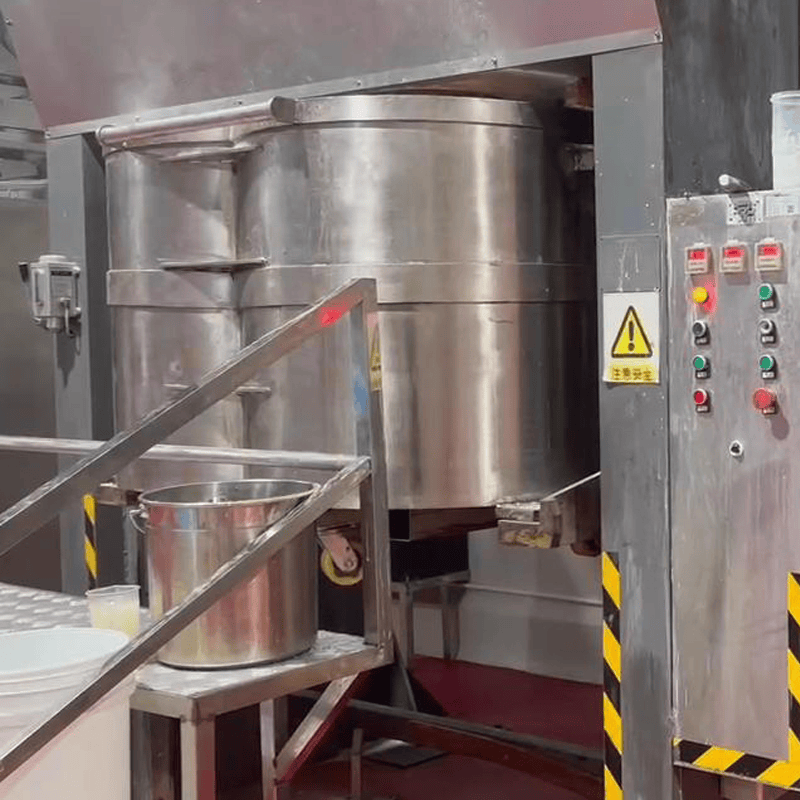
Wenva Machine has specialized in automated biscuit production lines for 40 years, drawing on European and Japanese baking technologies and adapting them to global market needs. In a typical Wenva line, the automatic dough mixer sits at the front of an integrated system that can include ingredient handling, dough sheeter, rotary moulder or cutter, tunnel oven, cooling conveyor, and packaging equipment. [youtube]
From a system perspective, the mixer's job is to deliver dough with consistent plasticity, temperature, and bulk density to the sheeter. When these parameters are stable, downstream equipment can run at optimal speed with fewer adjustments, reducing waste and stabilizing energy consumption in the oven. [wenvamachine]
For new factories or expansion projects, Wenva can design and configure mixers and complete lines around your plant layout, capacity targets, and product mix—ensuring that dough mixing capability is correctly matched to sheeting width, oven length, and packaging speed. [wenva]
Even the best mixer needs correct set‑up and daily discipline to deliver optimal dough quality. Based on industry practice and field experience, here are practical steps you can follow: [cwbakemech]
- Define flour type, hydration level, fat percentage, and all minor ingredients with tight tolerances. [magazinebbm]
- Create a written mixing profile for each product, including speeds, times, and ingredient‑addition steps. [shinelongkitchen]
- Store these as recipes in the mixer control and train operators to only run approved profiles. [linkedin]
- Measure incoming flour and water temperature and adjust water temperature to hit a target dough temperature range. [abpatlas.com]
- Monitor friction heat from mixing, especially on longer cycles or in hot climates. [magazinebbm]
- Use mixer cooling features or chilled water dosing where needed to keep temperature within specification. [abpatlas.com]
- Establish a daily cleaning and inspection routine, especially for areas where dough residue can accumulate. [magazinebbm]
- Check seals, bearings, and scraper blades regularly to maintain mixing performance and safety. [abpatlas.com]
- Use hygienic, stainless‑steel construction and smooth surfaces to reduce microbial risk and cleaning time. [linkedin]
- Log batch‑by‑batch data for torque, temperature, and mixing time. [linkedin]
- Correlate these parameters with product quality metrics such as thickness, weight, color, and breakage rate. [magazinebbm]
- Use this feedback loop to refine mixing profiles and raw material specifications. [abpatlas.com]
The next wave of dough mixing technology will further tighten control over dough quality while reducing energy use and manual intervention. Key directions include: [linkedin]
- Smart automation and AI – Mixers that automatically adapt speed, time, and energy input in real time based on dough resistance, temperature, and hydration. [linkedin]
- Energy‑efficient drives – Motors and control systems that can reduce energy consumption by up to 30% without sacrificing torque. [abpatlas.com]
- IoT connectivity – Remote monitoring of mixer status, predictive maintenance alerts, and cloud‑based analysis of mixing performance across multiple plants. [linkedin]
For biscuit producers, these innovations will make it easier to scale production and launch new products while keeping dough quality on target and operating costs under control. [magazinebbm]
From an industry consultant's viewpoint, there are clear signals that it is time to upgrade or replace your existing dough mixer: [cwbakemech]
- Increasing inconsistency in dough handling at the sheeter or moulder
- Frequent adjustments needed in the oven to correct color or moisture
- Rising labor costs due to manual intervention and rework
- Difficulty meeting new product requirements (e.g., healthier formulations, gluten‑reduced biscuits)
If your production relies heavily on operator "feel" instead of measured parameters, you are likely leaving both quality and margin on the table. A modern automatic mixer, integrated into a properly engineered biscuit production line, can recover that control. [wenvamachine]
Wenva Machine has focused on high‑precision automated biscuit production for four decades, combining R&D, manufacturing, and line integration under one roof in China. By studying advanced baking equipment from Europe and Japan and continuously improving designs, Wenva delivers customized biscuit lines that meet international quality standards and diverse plant layouts. [wenva]
For customers, the advantages include: [wenva]
- Tailored line design from dough mixing to sheeting, baking, and packaging
- Support for different biscuit types and capacity requirements
- On‑site installation, commissioning, and operator training
- Ongoing technical support and spare‑parts service
If you are planning a new biscuit factory or upgrading an existing line, integrating a properly specified automatic dough mixer at the heart of your process is one of the highest‑impact decisions you can make. [wenvamachine]
If you want to improve dough quality, stabilize product consistency, and boost the efficiency of your biscuit production, partnering with an experienced equipment specialist is essential. [cwbakemech]
Contact Wenva Machine to: [wenva]
- Discuss your current dough mixing challenges
- Evaluate upgrade options for your existing mixer and biscuit line
- Design a customized automated biscuit production solution for your plant
You can reach Wenva through the official websites and contact details listed below in the references. [wenva]
1. How does an automatic dough mixer improve dough consistency compared with manual mixing?
An automatic dough mixer delivers controlled time, speed, and energy input, ensuring uniform hydration and ingredient distribution with far less batch‑to‑batch variation than manual mixing. [cnhaiou]
2. Can the same mixer handle different biscuit recipes on one line?
Yes, modern mixers allow multiple programmable profiles so you can switch between hard biscuits, crackers, and sandwich creams by changing mixing parameters while using the same core equipment. [wenvamachine]
3. How important is dough temperature control during mixing?
Dough temperature strongly affects gluten behavior and processability; controlling it during mixing helps maintain stable dough handling, baking performance, and final biscuit texture. [magazinebbm]
4. Do automatic mixers really reduce labor costs in a biscuit plant?
Industrial case data shows that using automated kneading machines can cut manual labor by up to 40% and increase output by around 25%, especially when integrated into a fully automated line. [wenvamachine]
5. What should I consider when choosing a mixer for a new biscuit production line?
Key factors include target capacity, dough types, integration with sheeting and ovens, level of automation, energy efficiency, and the supplier's ability to provide full‑line engineering and support. [cwbakemech]
1. Golden Bake. "How Does an Automatic Dough Mixer Improve Dough Quality?" [foodsmachine].
2. CWB BakeMech. "Dough Kneading Machine Guide for Efficient Bakery Production." (efficiency, labor, and output data). [cwbakemech]
3. CnHaiou. "How Do Electric Dough Mixers Enhance Baking Efficiency?" (time saving and consistency benefits). [cnhaiou]
4. Shinelong Kitchen. "Automated Dough Mixers: Maximizing Efficiency and Quality." (automation features and quality impact). [shinelongkitchen]
5. BBM Magazine. "The Impact of Advances in Dough Kneading Technology on Baked Goods." (technology trends and process control). [magazinebbm]
6. ABP Atlas. "The Future of Dough Mixing: Innovations and Advancements in Spiral Dough Mixers." (smart automation, energy efficiency, IoT). [abpatlas.com]
7. LinkedIn. "Top 5 Innovation Trends in Spiral Mixers at Global Bakery Exhibitions." (industry trends and smart features). [linkedin]
8. Wenva Machine – Official Site. Company profile and biscuit production line solutions. [wenva]
9. Wenva Machine – Dough Sheeter for Biscuit Production Line. Product information and application. [wenvamachine]
10. Wenva Machine – Fully Automatic Biscuit Production Line (YouTube video). [youtube]


