
Views: 222 Author: Sara Publish Time: 2025-04-30 Origin: Site
Content Menu
● Understanding Biscuit and Cookie Production Lines
● Bakery Equipment for Sale in Sydney: What's Available?
● How Much Does Bakery Equipment Cost in Sydney?
● Features to Consider When Buying Bakery Equipment
● Expanding Your Biscuit Production Line: Additional Equipment
● FAQ
>> 1. What is the average cost of a biscuit production line in Sydney?
>> 2. Can bakery equipment in Sydney be customized for different biscuit types?
>> 3. Are there financing options available for purchasing bakery equipment?
>> 4. How important is automation in biscuit production lines?
>> 5. Where can I find reliable bakery equipment suppliers in Sydney?
Running a successful biscuit and cookie manufacturing business requires investing in high-quality bakery equipment that ensures efficiency, consistency, and scalability. For factories specializing in biscuit and cookie production, choosing the right machinery is crucial to meet production demands and maintain product quality. This article explores the bakery equipment landscape in Sydney, focusing on biscuit and cookie production line machines, their costs, and key features.

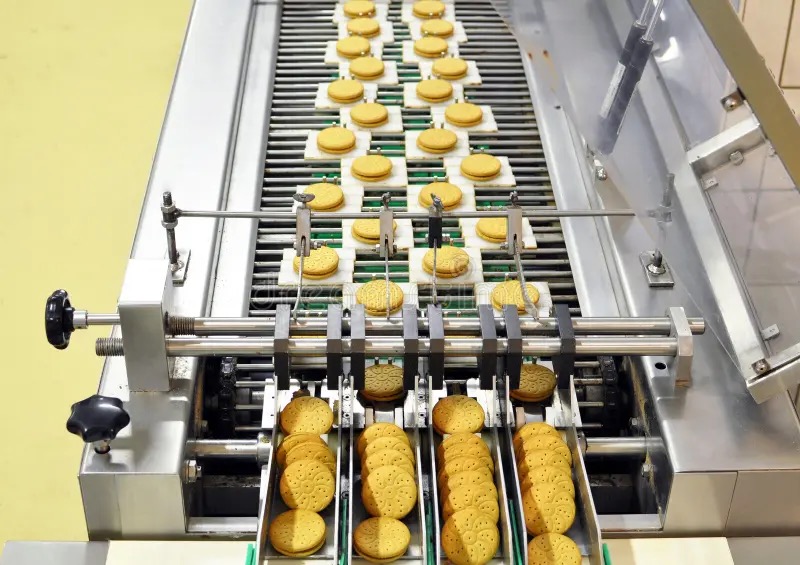
A biscuit or cookie production line is an integrated system designed to automate the entire manufacturing process-from mixing raw ingredients to packaging the finished products. These production lines typically include:
- Dough Mixers: Combine ingredients like flour, sugar, butter, and eggs into a uniform dough.
- Dough Sheeters / Rollers: Flatten the dough to the desired thickness.
- Cutting Machines / Rotary Moulders: Shape the dough into cookies or biscuits of various designs.
- Baking Ovens: Bake the shaped dough to perfection with precise temperature control.
- Cooling Conveyors: Cool the baked products to maintain texture and quality.
- Packaging Machines: Automatically pack the biscuits or cookies for distribution.
Depending on the type of biscuit or cookie (soft dough, hard dough, sandwich biscuits), production lines can be customized with additional equipment such as dough depositors, sandwiching machines, or glazing units.
The integration of these machines into a seamless production line allows manufacturers to achieve high output volumes with consistent product quality, which is essential to compete in both domestic and international markets.
Sydney offers a wide range of commercial bakery equipment suitable for biscuit and cookie production. Retailers and suppliers provide machines from basic mixers to fully automated production lines. Some of the key equipment available includes:
- Spiral Mixers and Planetary Mixers: For efficient dough mixing with capacities ranging from 10 to over 100 liters. Spiral mixers are especially favored for their ability to mix large quantities of dough uniformly without overheating, which is critical for maintaining dough quality.
- Dough Sheeters and Rollers: To create consistent dough thickness for uniform baking. These machines can be adjusted to achieve precise thickness levels, which directly influence the texture and appearance of the final biscuit or cookie.
- Dough Dividers and Rounders: For portioning dough into uniform pieces, essential for consistent biscuit size and weight. This consistency is important for packaging and customer satisfaction.
- Rotary Cutters and Depositors: Machines that cut or deposit dough into specific shapes and sizes. Rotary cutters are ideal for high-speed production of shaped biscuits, while depositors are used for soft dough or drop cookies.
- Convection and Tunnel Ovens: Industrial ovens designed for even baking of biscuits and cookies. Tunnel ovens offer continuous baking processes that improve efficiency and product uniformity.
- Cooling Conveyors and Stacker Systems: To cool and organize products before packaging. Proper cooling prevents moisture buildup and preserves crispness.
- Automated Packaging Machines: For sealing biscuits in bags or boxes efficiently, reducing manual labor and improving hygiene.
Brands available in Sydney include Paramount, Mecnosud, Berto, Sottoriva, and Daub, among others. These brands are known for their reliability, precision engineering, and after-sales support.

The cost of bakery equipment varies widely depending on the type, capacity, automation level, and brand. Here is an overview of typical price ranges for key biscuit and cookie production machinery in Sydney:
| Equipment Type | Price Range (AUD) | Notes |
|---|---|---|
| Small to Medium Spiral Mixers | $6,000 – $25,000 | Capacity 20-120 kg dough |
| Planetary Mixers | $1,500 – $7,000 | Suitable for smaller batches |
| Dough Sheeters / Rollers | $5,000 – $20,000 | Depends on width and automation |
| Dough Dividers & Rounders | $10,000 – $40,000 | High output, precision portioning |
| Rotary Cutters / Moulders | $15,000 – $50,000 | For shaping biscuits with various molds |
| Industrial Baking Ovens | $15,000 – $100,000+ | Convection, tunnel, or deck ovens |
| Cooling Conveyors | $10,000 – $30,000 | Length and speed vary |
| Packaging Machines | $10,000 – $60,000 | Depends on automation and packaging type |
Prices can be lower for used or refurbished equipment, with warehouse clearance sales offering discounts up to 30% or more. Financing options are often available through suppliers to help manage upfront costs.
Investing in a complete biscuit production line can be a significant capital expenditure, but the return on investment comes from increased production capacity, reduced labor costs, and improved product consistency.
When selecting bakery equipment for biscuit and cookie production, consider the following features:
- Production Capacity: Match equipment size and speed to your daily output goals. For example, a small bakery may only need a mixer and oven capable of producing a few hundred kilograms per day, while a large factory may require automated lines producing several tons daily.
- Automation Level: Higher automation reduces labor costs but increases initial investment. Automated lines also reduce human error and improve hygiene standards.
- Versatility: Machines that can handle multiple biscuit types or shapes offer flexibility to diversify product lines without purchasing new equipment.
- Energy Efficiency: Equipment with energy-saving features reduces operational costs and environmental impact. Look for ovens with good insulation and mixers with efficient motors.
- Ease of Cleaning and Maintenance: Important for hygiene and minimizing downtime. Machines with modular designs and easy access points facilitate cleaning and servicing.
- After-Sales Support: Reliable technical support and spare parts availability ensure long-term operation. Choosing suppliers with local service centers in Sydney can reduce downtime.
- Compliance with Food Safety Standards: Equipment should meet Australian food safety and hygiene regulations to ensure product safety and market acceptance.
To further enhance production efficiency and product variety, consider adding these specialized machines:
- Dough Depositors: Ideal for soft dough or drop cookies, these machines deposit dough portions directly onto baking trays or conveyors with precision.
- Sandwiching Machines: For producing sandwich biscuits with cream or jam fillings, these machines automate the layering and filling process.
- Glazing and Coating Machines: Apply chocolate or sugar coatings to biscuits, adding value and variety.
- Metal Detectors and Quality Control Systems: Ensure product safety by detecting contaminants before packaging.
- Robotic Palletizers: Automate the stacking of packaged biscuits for storage and shipment, improving warehouse efficiency.
Investing in bakery equipment for biscuit and cookie production in Sydney involves balancing cost, capacity, and automation to meet your business needs. Sydney offers a diverse market of commercial bakery machines ranging from mixers and sheeters to fully automated production lines. Prices vary widely but can be managed with financing and by considering used equipment options.
Choosing the right equipment with reliable support and energy efficiency will help your factory produce high-quality biscuits consistently and profitably. Moreover, expanding your production line with specialized machinery can open new product opportunities and increase market competitiveness.
Whether you are starting a new biscuit factory or upgrading an existing line, understanding the equipment options and costs in Sydney is the first step toward building a successful bakery business.
The cost varies widely based on capacity and automation but typically ranges from AUD 50,000 for small semi-automatic lines to over AUD 200,000 for fully automated industrial lines.
Yes, many manufacturers offer customizable production lines to produce various biscuit types, including soft dough, hard dough, and sandwich biscuits.
Yes, many suppliers in Sydney provide flexible financing plans or partnerships with finance companies to help spread the cost of equipment purchases.
Automation significantly reduces labor costs, improves consistency, and increases production speed, making it a valuable feature for medium to large-scale operations.
Suppliers like Sydney Commercial Kitchens, Restaurant Equipment Online, and other specialized bakery equipment distributors offer a wide range of trusted brands and products.


