
Views: 222 Author: Wenva Machine Publish Time: 2026-05-24 Origin: Site
A commercial dough mixer is one of the highest‑ROI investments a bakery or biscuit factory can make, especially when it is integrated into an automated biscuit production line from an experienced manufacturer like Wenva Machine. From my perspective as both a food-industry engineer and day‑to‑day user, the right mixer is not just a "bigger whisk" – it is the foundation of consistent product quality, labor savings, and safe, scalable production. [maszmalinowski.co]
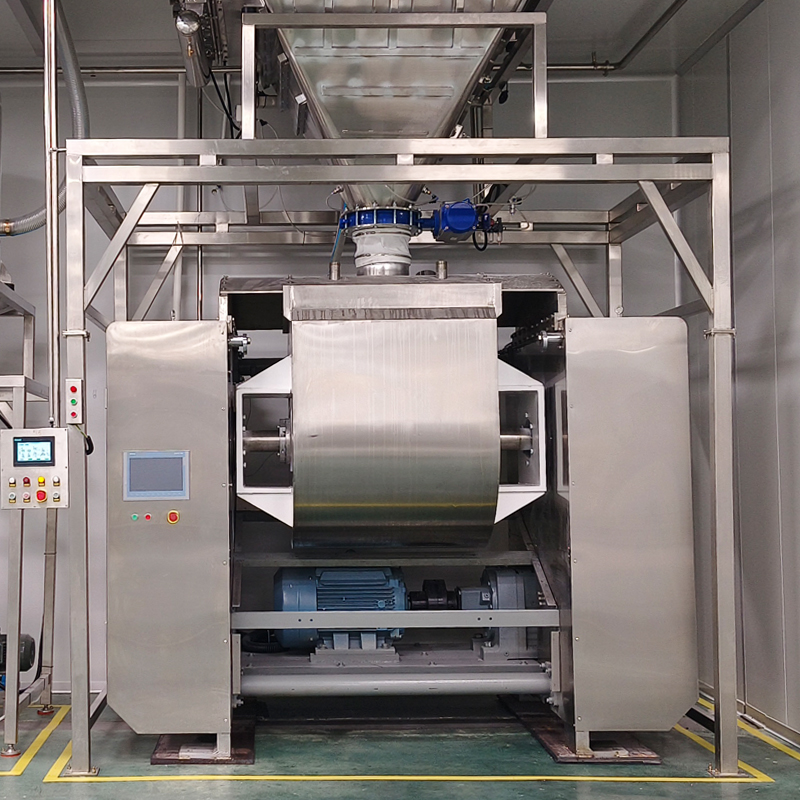
A commercial dough mixer is a heavy‑duty machine designed to mix, knead, and develop dough at scale for products like biscuits, cookies, bread, pizza, and pastries. Compared with domestic mixers, it handles much higher volumes, runs for longer shifts, and delivers controlled, repeatable dough characteristics that are critical for industrial baking. [italforni]
In modern automated biscuit production lines, the mixer is usually the first key station, feeding continuous, well‑developed dough into forming, baking, and cooling sections. When properly specified and maintained, this upstream stability is what allows the entire line to run faster, with fewer stoppages and less waste. [wenvamachine]
Commercial mixers are engineered to process large dough batches in a fraction of the time needed for manual or small‑scale mixing. In a typical bakery or biscuit plant, this time saving translates directly into more baking cycles per shift and better utilization of ovens and packaging lines. [aocno]
Because the mixer automates intensive kneading and combining, you reduce dependence on highly skilled manual labor for repetitive tasks, allowing staff to focus on supervision, quality checks, and higher‑value operations. In my experience, this shift in task mix is often what unlocks sustainable growth without adding headcount. [italforni]
Good dough is non‑negotiable: if your gluten development, hydration, or fat distribution are off, every downstream process will struggle. A commercial mixer delivers repeatable dough structure by controlling mixing speed, time, and energy input, so every batch hits the same benchmark for elasticity, extensibility, and temperature. [blog.hobartcorp]
Modern spiral and planetary mixers are specifically designed to avoid overheating and to distribute ingredients evenly, reducing problems like streaks, under‑mixed pockets, or dough breakdown. For branded biscuit producers, this level of consistency is what protects product appearance and bite across different factories and markets. [webstaurantstore]
Today's mixers can be configured to handle a wide range of dough types, from low‑hydration hard biscuits and crackers to high‑fat cookies and delicate sponge batters. With variable speeds, programmable mixing stages, and interchangeable tools, one machine can cover standard biscuits, sandwich creams, and even auxiliary products like cake layers or bread rolls for in‑house cafés. [webstaurantstore]
Some commercial models integrate attachments for whipping, beating, and mixing non‑dough ingredients, effectively turning the mixer into a multi‑function processing station. This flexibility is particularly valuable for mid‑sized plants that need to diversify SKUs without investing in multiple separate machines. [webstaurantstore]
Although a commercial dough mixer is a significant upfront investment, its lifetime economics are usually very favorable. By automating mixing and kneading, you reduce direct labor hours, lower ergonomic risk, and minimize batch rework due to inconsistent dough, all of which have measurable cost impact. [italforni]
Industry‑leading mixers use robust stainless‑steel construction and industrial‑grade components, so they deliver many years of service in multi‑shift operations when correctly maintained. Combined with lower product waste and higher throughput, the payback period in well‑run bakeries is often surprisingly short, especially when the mixer is part of a fully integrated biscuit line. [wenvamachine]
Replacing manual kneading with a mixer dramatically reduces physical strain on operators, especially in high‑volume bread, pizza, and biscuit production. This is crucial in markets where labor regulations and staff retention have become strategic challenges for food manufacturers. [mrkitchenware]
Commercial mixers also incorporate safety features like interlocked guards, emergency stops, and automatic shut‑off when the bowl or cover is open, helping prevent accidents near moving tools. Food‑contact parts are typically stainless and easy to clean, lowering the risk of contamination and simplifying compliance with hygiene standards such as HACCP or local food‑safety regulations. [italforni]
From a user's perspective, programmable mixers are a game changer. You can set speeds, stages, and durations for each recipe, then run them with minimal supervision. That means operators can prepare next‑batch ingredients, check oven settings, or manage packaging while the mixer works, increasing overall line efficiency. [aocno]
Cleaning and maintenance are also faster on modern equipment, thanks to removable bowls, tool‑less disassembly of key parts, and smooth, washdown‑friendly surfaces. Over a week of continuous production, these saved minutes per batch add up to significant extra operating time and less unplanned downtime. [italforni]
In the original article, users frequently emphasized how reliable output and consistency from a commercial mixer helped them build trust with their customers. When every batch looks and tastes the same, it becomes easier to expand into new retail channels or private‑label contracts without quality concerns. [mrkitchenware]
For food brands, that consistency is not only a technical benefit; it is a marketing asset. It supports premium positioning, justifies better pricing, and reduces complaints and returns, all of which are essential for long‑term brand equity in competitive bakery segments. [snackandbakery]
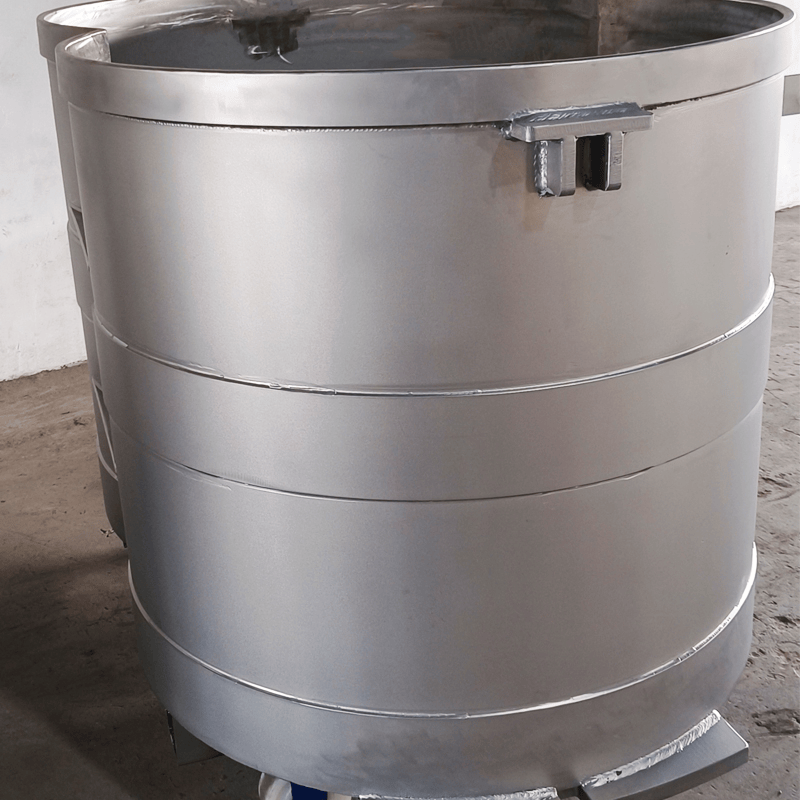
From Wenva Machine's perspective as a 40‑year specialist in automated biscuit production lines, the dough mixer is the first critical node in a fully connected system. Once dough is correctly mixed, it flows into forming, baking, cooling, and packaging without manual handling, reducing contamination risk and idle time between stages. [wenvamachine]
In a typical automatic biscuit line, a well‑specified mixer must achieve three things: stable dough temperature, uniform blending, and predictable dough rheology (workability) that matches the downstream sheeter or rotary molder. If any of these three are unstable, the entire line suffers from speed reductions, weight variation, or oven color defects. [wenvamachine]
Global bakery technology is moving rapidly toward higher automation, precision control, and energy efficiency. Recent industry reports note that over 30% of bakeries now implement automated solutions, with demand driven by labor shortages and the need for consistent quality at scale. [snackandbakery]
Modern systems link the mixer to recipe management software, dough temperature sensors, and even AI‑driven control of proofing and baking stages. In advanced lines, data from the mixer (such as batch time and energy input) can be logged and analyzed to optimize dough quality and predict maintenance, further reducing downtime and waste. [aocno]
When advising factories and bakeries, I focus on a simple five‑step selection process that aligns the mixer with both product and plant strategy. [webstaurantstore]
1. Define your core products
Be clear about whether your priority is hard biscuits, soft cookies, crackers, bread, pizza bases, or mixed production, because each product type demands different dough characteristics. [blog.hobartcorp]
2. Match capacity to real throughput
Calculate required dough volume per hour based on oven capacity and SKUs, then choose a mixer sized to feed the line efficiently without excessive idle time or over‑filling. [snackandbakery]
3. Choose the right mixer type
- Spiral mixers excel at heavy doughs and provide excellent gluten development with low heat rise.
- Planetary mixers are more versatile for batters, creams, and lighter doughs.
Industry guides from equipment manufacturers consistently highlight this difference. [steelkitchenonline]
4. Evaluate hygiene and cleaning design
Look for smooth surfaces, easy access to contact zones, and compatibility with your plant's cleaning procedures to keep changeover time and contamination risk low. [italforni]
5. Plan for integration and future automation
Ensure the mixer can be integrated with ingredient dosing systems and automated lines, and support data logging for future digitalization projects. [mrkitchenware]
As a manufacturer focused on automated biscuit production lines, Wenva Machine has seen over decades how the "right" mixer can unlock significant line performance improvements. Our projects in different markets show that stable dough feeding increases baking uniformity, reduces trimming waste, and allows higher, more reliable line speeds. [wenvamachine]
By studying advanced baking equipment from Europe and Japan and adapting it to local production realities, Wenva Machine designs solutions that balance reliability, energy efficiency, and ease of use. This experience informs our recommendations on mixer type, capacity, and integration for each layout and customer requirement. [wenvamachine]
| Mixer type | Best for | Key strengths | Typical users |
|---|---|---|---|
| Spiral mixer | Bread, pizza, dense biscuit doughs | Strong gluten development, low heat build‑up | Industrial bakeries, pizzerias, biscuit plants maszmalinowski.co |
| Planetary mixer | Batters, creams, diverse recipes | High versatility, many attachments | Cafés, pastry shops, R&D labs steelkitchenonline |
If you are planning a new biscuit factory or modernizing an existing plant, contact Wenva Machine to design an automated biscuit production line – including the right commercial dough mixer – that fits your layout, capacity, and budget. [wenva]
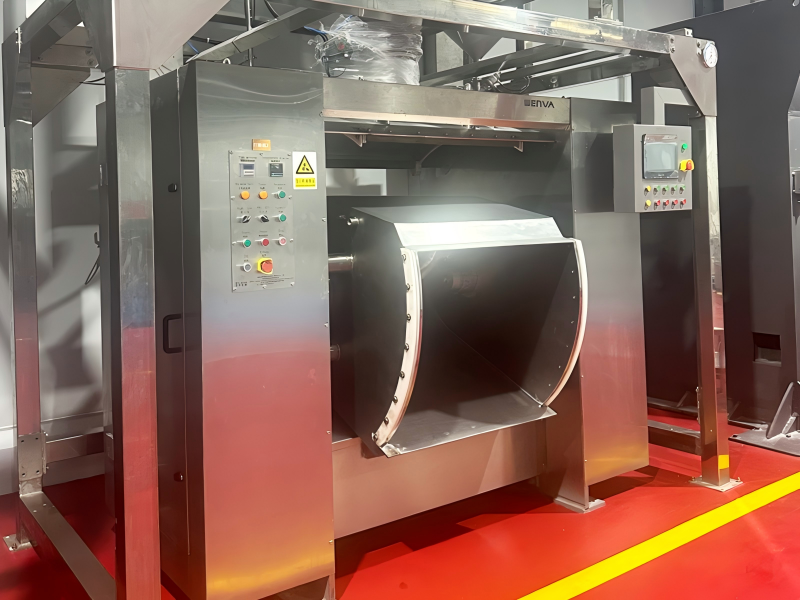
1. What size commercial dough mixer do I need for my biscuit plant?
The ideal capacity depends on your oven throughput and product range, so it is best to calculate hourly dough demand and then choose a mixer that can cover this volume with a reasonable safety margin. [aocno]
2. Is a spiral or planetary mixer better for biscuit dough?
Spiral mixers usually provide better dough development and temperature control for dense, gluten‑based doughs, while planetary mixers offer more versatility for creams, batters, and R&D. [maszmalinowski.co]
3. How does a commercial mixer improve product consistency?
By controlling speed, mixing time, and energy input, a commercial mixer delivers uniform dough structure and temperature, which leads to consistent size, texture, and color in finished biscuits. [webstaurantstore]
4. Can a commercial dough mixer be integrated into an automated production line?
Yes, modern mixers are designed to work with automated ingredient dosing, dough feeding, and fully automated biscuit production lines, allowing continuous, high‑efficiency operation. [wenvamachine]
5. How often should I maintain my commercial dough mixer?
Basic daily cleaning plus scheduled inspections according to the manufacturer's recommendations help extend service life and reduce unplanned downtime, especially in multi‑shift plants. [aocno]
- Golden Bake Group. "7 Attractive Benefits of a Commercial Dough Mixer." [Link]
- Wenva Machine. "Customized Biscuit Production Line, Dough Mixer Manufacturing." [Link] [wenvamachine]
- Wenva Machine. "Automated Biscuit Production Line: Expert Guide from 40 Years of Manufacturing Excellence." [Link] [wenvamachine]
- Italforni. "4 Secrets for Using a Commercial Dough Mixer Machine." [Link] [italforni]
- WebstaurantStore. "Commercial Mixer Buying Guide." [Link] [webstaurantstore]
- AOCNO. "Industrial Bakery Automation: Top 5 Trends Scaling Production in 2026." [Link] [aocno]
- Masz Malinowski. "Key Advantages of Spiral Mixers – What Machine to Choose?" [Link] [maszmalinowski.co]
- Hobart. "Planetary vs. Spiral Mixers: How to Select the Right One for the Job." [Link] [blog.hobartcorp]
- Mr. Kitchenware. "Latest Trends in Bakery Technology You Need to Know." [Link] [mrkitchenware]
- Snack Food & Wholesale Bakery. "Automated Bakery Equipment." [Link] [snackandbakery]


