
Views: 222 Author: Wenva Machine Publish Time: 2026-06-03 Origin: Site
Content Menu
● Understanding Standard vs. Quick-Change Modular Molds
● How Mold Choice Impacts Downtime on Automated Biscuit Lines
>> Why downtime matters more than ever
● Key Differences: Standard Molds vs. Quick-Change Modular Molds
>> Technical and operational comparison
● From the Line: An Expert's Perspective on Downtime Reduction
● How Quick-Change Modular Molds Work on Biscuit and Cookie Lines
>> Mechanical design principles
● Quantifying Downtime Reduction for Seasonal Shape Changes
>> A practical example calculation
● When Standard Molds Still Make Sense
● Advanced Section: Integrating Quick-Change Modular Molds into Existing Lines
>> 1. Line audit and ROI modeling
>> 2. Mechanical and hygienic compatibility
>> 3. Operator training and SOPs
● Expert Best Practices to Maximize Quick-Change Benefits
● Real-World Industry Trends Driving Quick-Change Adoption
● How Wenva Machine Approaches Mold Strategy
● Practical Implementation Steps for Biscuit Manufacturers
● Clear CTA: Talk to Wenva About Your Mold Strategy
● FAQs on Standard vs. Quick-Change Modular Molds
Standard molds are reliable and low cost, but quick-change modular molds dramatically reduce seasonal changeover downtime and give biscuit producers far more flexibility and OEE gains when managed correctly. For a manufacturer like Wenva Machine, with 40 years of biscuit automation experience, the strategic choice is no longer "if" modular molds are needed, but "where" and "how fast" to introduce them into existing biscuit and cookie lines. [wenvamachine]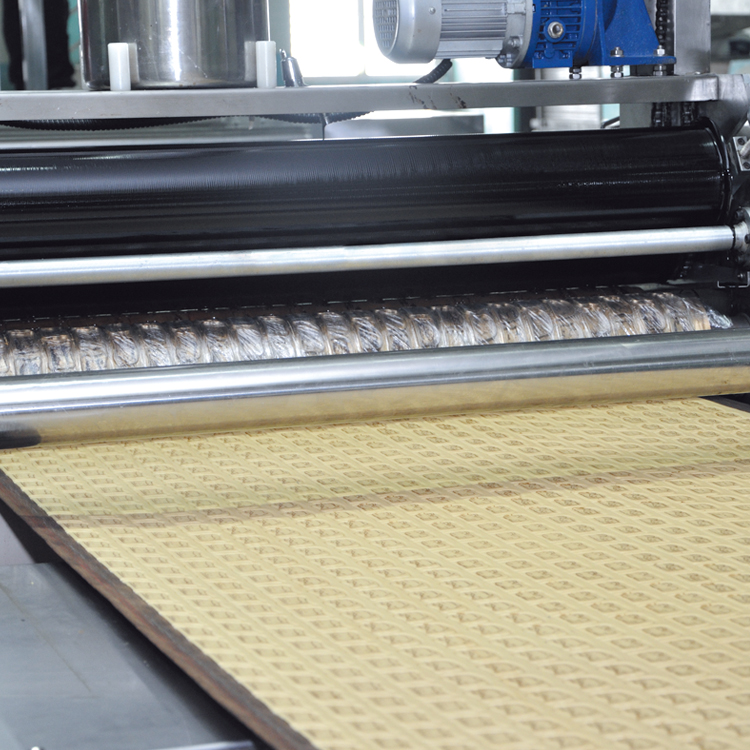
Standard mold sets are traditional forming tools that stay on the line for long runs and require full stoppage and manual replacement when you change cookie shapes or SKUs. Quick-change modular molds are engineered as segmented, lightweight units designed for high-frequency changeovers with minimal tools and faster alignment on automated biscuit production lines. [ar.winnersmachinerysh]
For seasonal cookie campaigns, this difference can translate into hours of saved production time per changeover across a year. From my experience working with biscuit and cookie manufacturers, this is often the hidden lever behind winning or losing shelf space for seasonal shapes.
In modern automated biscuit and cookie production, overall equipment effectiveness (OEE) is a key profitability driver. Seasonal product launches, limited-edition shapes, and frequent SKU changes all increase the number of mold changeovers per year. [making]
Every hour of stoppage involves:
- Lost output and delayed shipments
- Extra labor during changeover
- Scrap during restart and re‑tuning
- Stress on maintenance and production teams
For a continuous wire‑cut or rotary molding line, even a 2–3% reduction in changeover-related downtime can translate into tens of thousands of additional saleable packs annually. [ar.winnersmachinerysh]
| Dimension | Standard molds | Quick-change modular molds |
|---|---|---|
| Changeover time per set | Often 60–180 minutes, including cleaning and alignment (ar.winnersmachinerysh) | Typically 10–40 minutes, depending on design and training (ar.winnersmachinerysh) |
| Tooling weight | Heavier one‑piece mold blocks | Lighter modular cassettes or segments |
| Required tools | Wrenches, alignment tools, manual adjustments | Tool‑less or low‑tool clamping and dowel‑pin alignment |
| Ideal production profile | Long, stable runs with few SKU changes | High‑mix, seasonal, or promotional SKUs with frequent changeovers |
| Capex per mold family | Lower upfront cost | Higher initial investment but faster ROI from reduced downtime |
| Operator skill sensitivity | High: alignment and pressure adjustments are manual | Medium: interfaces are simplified and standardized |
| Line flexibility | Limited number of shapes per year | Easy to add new shapes and seasonal campaigns |
From an engineer's perspective, quick-change modular molds are not only a mechanical upgrade; they are a production strategy tool that aligns your line with marketing's need for more agile seasonal launches.
Drawing on real factory assessments and biscuit line audits, I see three recurring patterns when plants move from standard molds to modular solutions:
1. Seasonal campaigns become predictable instead of disruptive
Planning departments can lock in changeover slots knowing the mold swap will take 30 minutes, not "1–3 hours if everything goes smoothly".
2. Night and weekend shifts gain stability
Less complex disassembly reduces the dependence on a few "hero technicians" who know every bolt by heart.
3. OEE discussion shifts from firefighting to optimization
Once changeover time is stable and short, managers can focus on cycle time, waste and energy optimization, not just recovery after mold changes.
In many projects, the first modular-mold pilot is done on one high-value seasonal SKU, and the performance improvement then justifies a phased upgrade across additional lines.
Quick-change modular molds in biscuit and cookie lines usually follow four design principles: [making]
- Segmented mold cassettes that can be removed individually instead of replacing the entire block
- Repeatable positioning system using dowel pins or guided rails for automatic alignment
- Quick clamping or locking mechanisms that avoid full bolt removal
- Standardized interfaces between mold modules and the forming station to support multiple shapes
On a continuous extruding wire‑cut cookies machine like those supplied by Wenva, modular design can allow operators to swap from a round wire‑cut cookie to a seasonal tree or heart shape with minimal re‑setup of the forming head and conveyor transfer. [youtube]
Consider a plant running an automated cookie line 20 hours per day, 300 days per year. Assume:
- 12 seasonal or promotional shape changes per year
- Current changeover with standard molds: 120 minutes per change
- Target with quick-change modular molds: 30 minutes per change
Yearly changeover time:
- Standard molds: \(12 \times 120 = 1440\) minutes (24 hours)
- Quick-change modular: \(12 \times 30 = 360\) minutes (6 hours)
You recover 18 hours of production per year on that line alone. If your line outputs 1,000 kg of cookies per hour, that is 18,000 kg of additional saleable product without extending shifts or adding new equipment. [ar.winnersmachinerysh]
Multiply this by multiple lines and regional plants, and the business case for modular molds becomes clear to both operations and finance.
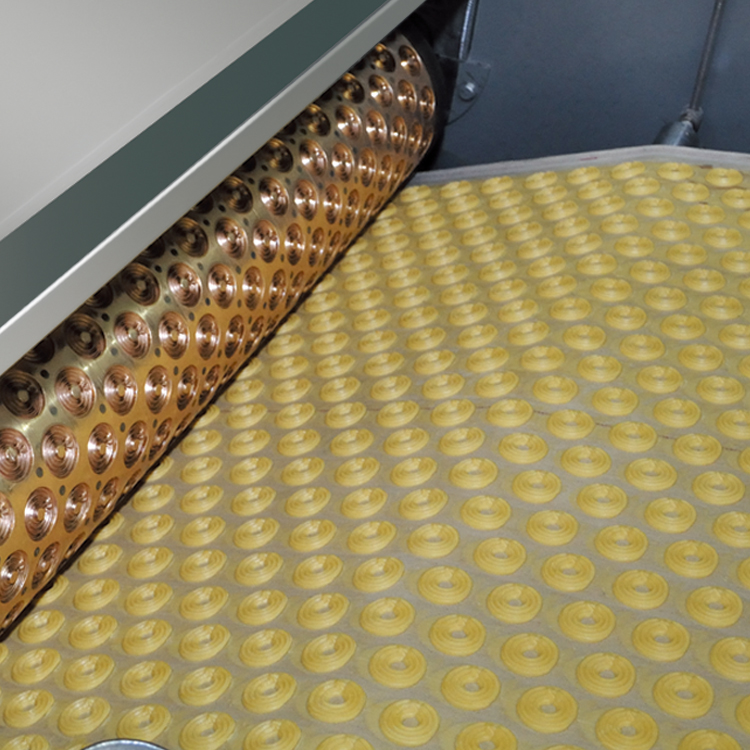
Despite the clear advantages of quick-change systems, standard molds still have a role:
- Stable, high-volume SKUs with minimal shape changes
- Cost-sensitive markets where Capex is tightly controlled
- Lines dedicated to a single flagship product where changeover is rare
- Very simple shapes that do not require frequent marketing updates
In these situations, the low upfront cost and robustness of standard molds can be attractive, especially if planned maintenance is strong and seasonal activity is minimal. [linkedin]
Before investing, a structured line audit is essential. In my experience, a strong audit covers:
1. Baseline changeover time and labor for all mold types
2. Number of seasonal and promotional SKUs per year
3. Line hourly cost (labor, energy, depreciation)
4. OEE trends and major downtime categories
With these inputs, it is straightforward to model ROI for a modular mold upgrade over 2–3 years, including expected downtime reduction and additional tonnage.
Modular molds must be compatible with:
- Existing forming station dimensions and mounting interfaces
- Conveyor width and transfer points
- Cleaning protocols and food safety standards (e.g., stainless steel 304 contact surfaces) [making]
A partner like Wenva Machine, which designs full automated biscuit production lines from mixing to packaging, can adapt modular mold solutions to the specific tunnel oven, cooling, and packing configuration of each plant. [wenvamachine]
A quick-change system is only as fast as the team operating it. Best practice SOPs include:
- Simple visual work instructions with step‑by‑step photos
- Clearly marked storage for each modular mold cassette
- Standard checklists for pre‑start verification
- Periodic refresher training and time trials to maintain skills
1. Start with one pilot line
Choose a line with the highest seasonal complexity and measure baseline downtime for several changeovers.
2. Limit the first modular mold set to 2–3 seasonal shapes
This keeps logistics manageable while proving the concept.
3. Track OEE before and after
Monitor availability, performance and quality to capture the full benefit of shorter changeovers.
4. Integrate with planned maintenance
Combine mold changes with pre‑planned inspections to avoid unplanned stoppages. [linkedin]
5. Standardize mold design rules
Align marketing and R&D with basic rules on thickness, shape complexity, and weight to avoid extreme designs that slow down changeovers.
Market research on quick mold change systems shows steady growth as manufacturers look for greater flexibility and shorter product lifecycles. In the wider food and packaging machinery sector, modularity is becoming a default design philosophy, enabling rapid setup for different SKUs without compromising hygiene or safety. [linkedin]
At the same time, biscuit factories are under pressure to reduce energy consumption and labor costs while supporting more seasonal varieties and private‑label products. Quick-change modular molds directly support this shift by enabling more agile scheduling and better asset utilization. [gdlison]
As a specialist with 40 years focused on automated biscuit production lines, Wenva Machine designs production solutions that integrate the right mold strategy for each customer, not a one‑size‑fits‑all package. For plants with strong seasonal demand, Wenva engineers can propose hybrid lines that use standard molds for core SKUs and quick-change modular molds for high‑margin seasonal cookies. [wenvamachine]
Project support typically includes:
- Layout design to fit modular molds into existing lines
- Custom mold development for unique seasonal shapes
- On‑site installation, commissioning, and operator training
- Long‑term service and spare parts to support continuous improvement [wenvamachine]
For manufacturers considering a transition from standard to modular molds, I recommend a structured approach:
1. Map all seasonal and promotional SKUs
List shapes, volumes, and expected campaign periods.
2. Calculate current changeover costs
Include downtime, labor, scrap, and overtime.
3. Select candidate lines and products for modularization
Focus on lines with frequent shape changes and high revenue per hour.
4. Engage your equipment partner early
Work with Wenva Machine or your OEM to validate mechanical feasibility and create a modular mold roadmap. [wenvamachine]
5. Run a controlled pilot and refine SOPs
Treat the first implementation as a learning project, then scale.
If you are planning new seasonal cookie shapes or want to reduce downtime on your existing biscuit lines, it is the right moment to review your mold strategy. Reach out to Wenva Machine's engineering team to discuss your current layout, seasonal plans, and potential for quick-change modular mold integration. [wenvamachine]
A short technical consultation can reveal where a targeted modular upgrade will deliver the fastest ROI, without forcing a complete rebuild of your existing production lines.

1. Are quick-change modular molds always better than standard molds?
No. Standard molds can still be the best choice for stable, single‑shape production with very few changeovers, especially when budgets are tight and seasonal demand is low. [ar.winnersmachinerysh]
2. How long does it take to retrofit modular molds onto an existing biscuit line?
For most lines, mechanical retrofit and commissioning can be completed within a planned shutdown window, though exact timing depends on line age, complexity, and hygienic requirements. [making]
3. Do quick-change modular molds affect product quality or consistency?
When properly designed and aligned, modular molds deliver equal or better consistency compared to standard molds, as positioning systems and standardized interfaces reduce variability. [ar.winnersmachinerysh]
4. What kind of training do operators need for quick-change systems?
Operators typically need short, practical training focused on safe handling, locking mechanisms, cleaning, and pre‑start checks, supported by clear SOPs and visual guides. [linkedin]
5. How can I estimate the ROI of switching to quick-change modular molds?
Calculate current annual changeover hours, multiply by line hourly cost, then model the reduction achievable with modular molds, including expected improvements in OEE and seasonal responsiveness. [making]
1. Wenva Machine – Automated Biscuit Production Line Solutions. [https://www.wenvamachine.com] [wenvamachine]
2. Wenva Machine – Cookie Production Line Overview. [https://www.wenvamachine.com/ko/cookie-production-line-manufacturer.html] [wenvamachine]
3. WENVA Continuous Extruding Wire Cut Cookies Machine (video description). [https://www.youtube.com/watch?v=hoUXpITUNr4] [youtube]
4. Efficient Solutions for Automated Biscuit Production Lines in Industrial Settings. [https://ar.winnersmachinerysh.com/blog-detail/efficient-solutions-for-automated-biscuit-production-lines-in-industrial-settings-] [ar.winnersmachinerysh]
5. Full-Automatic Biscuit & Cookie Production Line – Taizy Machinery. [https://making.com/equipment/full-automatic-biscuit-cookie-production-line] [making]
6. Biscuit Factory Maintenance Best Practices (biscuit manufacturing article). [https://www.linkedin.com/posts/subrotosen_maintenance-of-equipment-is-one-of-the-very-activity-7310703135323226114-nmH5] [linkedin]
7. Market Insights on Quick Mold Change Systems. [https://www.360iresearch.com/library/intelligence/quick-mold-change-molding-machine] [360iresearch]
8. Global Quick Mold Change Systems Competitive Landscape. [https://www.marketresearch.com/Deep-Insights-Research-Co-DIR-v4285/Global-Quick-Mold-Change-Systems-43883853/] [marketresearch]
9. Improving the Efficiency of Automatic Biscuit Making Machines. [https://www.gdlison.com/blog/how-to-improve-the-efficiency-of-an-automatic-biscuit-making-machine-515017.html] [gdlison]
10. Quick Mold Change Systems Market Outlook 2026–2033. [https://www.linkedin.com/pulse/quick-mold-change-systems-market-outlook-20262033-trends-growth-5gjhf] [linkedin]


